

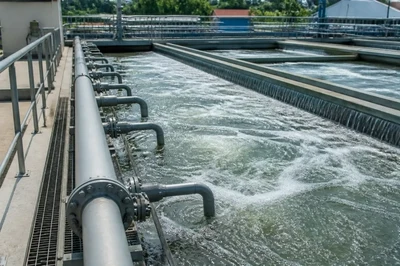

Water recycling cuts factory costs by reducing the amount of fresh water drawn in and lowering effluent treatment expenses, by taking treated water back into uses that do not require high-quality water — washdown or cooling systems, for example.
This article explains how water recycling works in a factory, from wastewater treatment through to reusing the water, along with how to choose the technology and design the system so that costs come down and water is used more efficiently.
What Is Water Recycling in a Factory?
Water recycling in an industrial plant means taking water that has been through production or treatment and reusing it in a suitable process, without necessarily treating it to drinking-water standard in every case. Uses inside a factory sit at many different levels — washing floors, cooling, or processes that do not call for highly purified water.
Key point:
Recycled water does not have to be as clean as tap water in every case. Treating it to suit the actual application is enough to save on treatment costs and put the water back to productive use.
Why Is Water Recycling Becoming More Important?
The factors drawing factories towards water recycling over recent years are both financial and legal. Water tariffs in industrial estates rise every year, and some factories using tens of thousands of cubic metres a month carry water bills running into tens of millions of baht annually.
At the same time, many industrial estates have begun setting water-use quotas and stricter discharge conditions. Factories still discharging large volumes of effluent may find their right to expand production restricted. Water recycling is therefore not only about saving money — it also gives a factory the flexibility to grow its business in the future.
What Water Recycling Technologies Are Used in Factories?
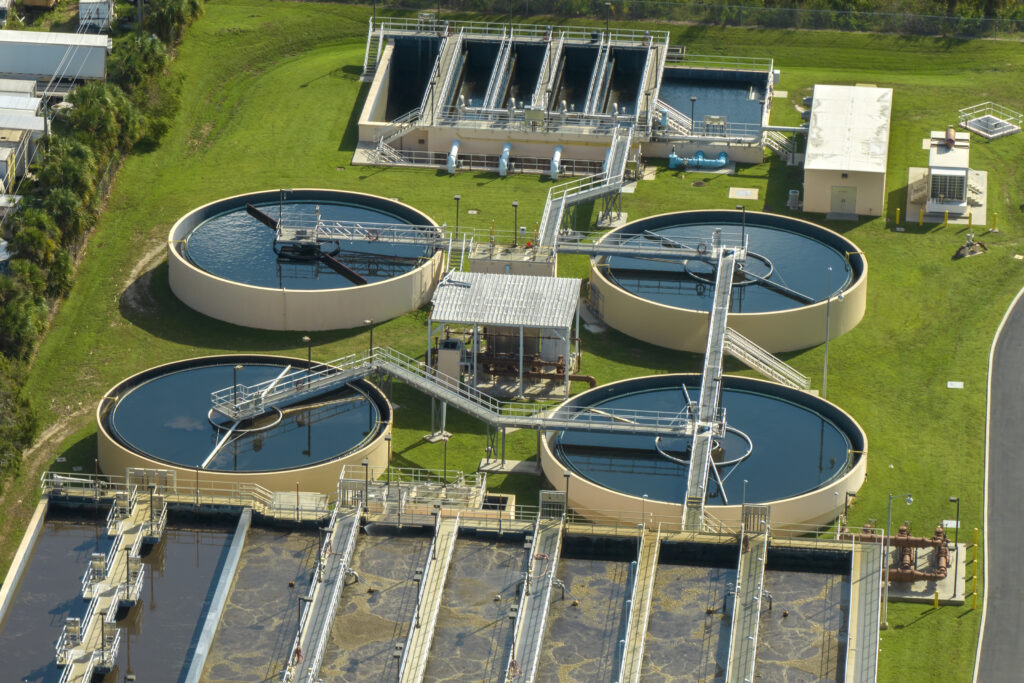
Water recycling technology in a factory is usually a combined system, designed around the type of wastewater, the pollutant load, and the water quality required for reuse. It can be divided into 5 main groups.
1. Primary Treatment
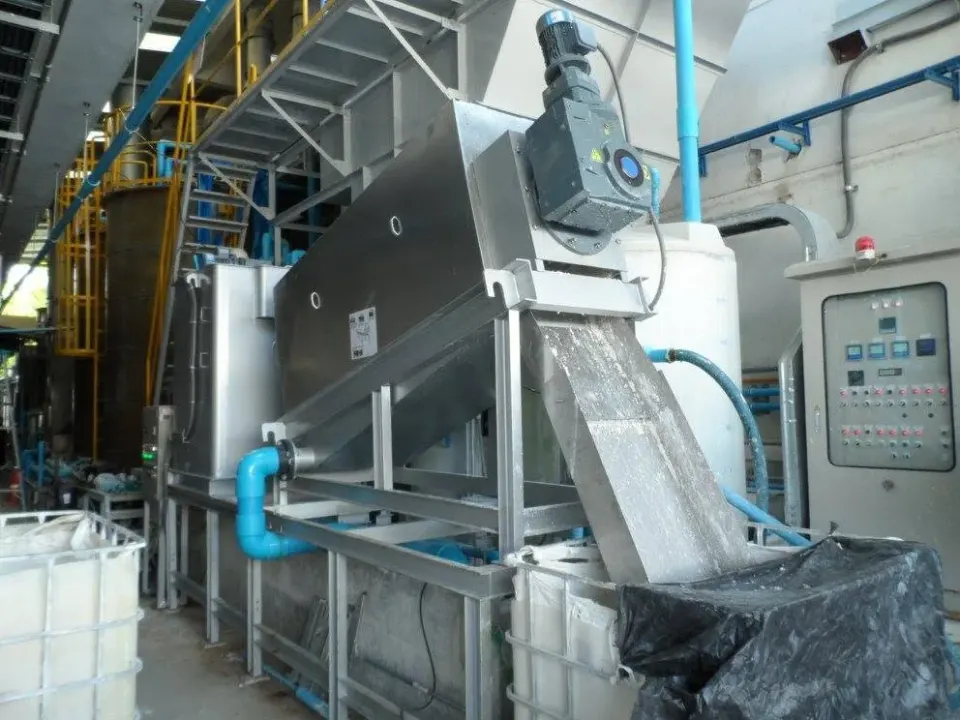
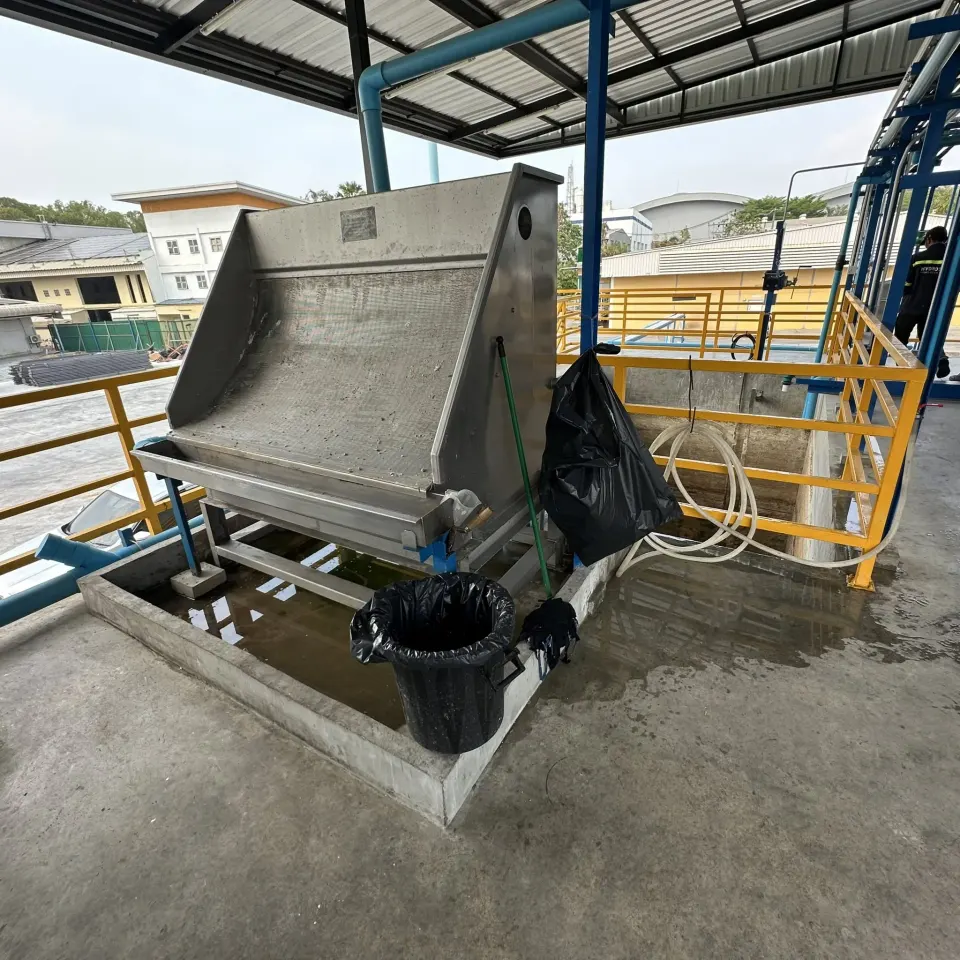
Primary treatment is the first line of wastewater management. It removes large contaminants such as debris, settleable solids, and grease, preventing them from clogging or overloading the treatment stages that follow. It generally consists of:
- Screening
- Grease trap
- Sedimentation tank
- A DAF unit, which separates grease and suspended solids from the water
The strength of this stage is that it removes the initial pollutant load, letting the main treatment system run more stably and more efficiently.
2. Biological Treatment
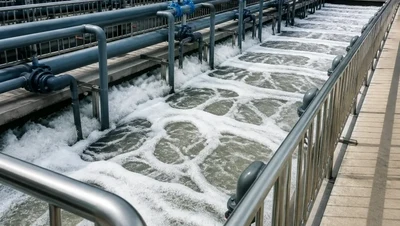
This is the core of factory wastewater treatment, using microorganisms to break down the organic matter in the wastewater — food residue, organic compounds, and waste from the production process. Commonly used technologies include:
- Activated Sludge
- MBBR
- SBR
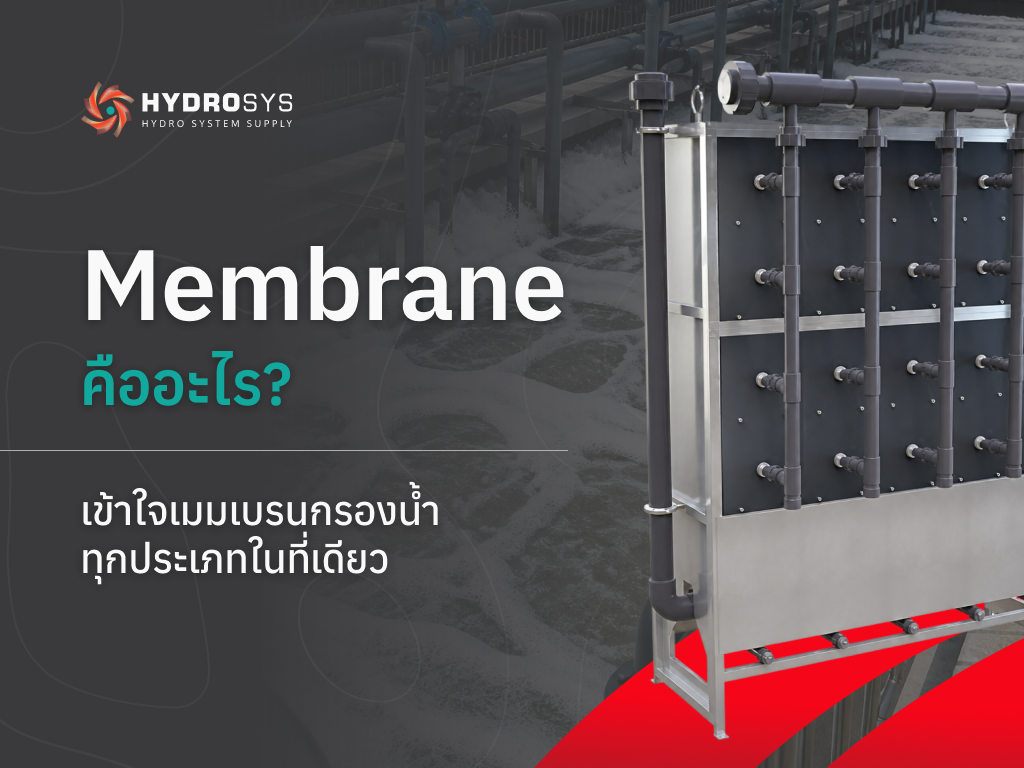
- MBR
Each of these differs in the footprint it needs, the wastewater load it can handle, and the water quality it produces.
The strength of this stage is that it reduces BOD and COD effectively, improving water quality before it enters advanced filtration.
3. Advanced Filtration / Tertiary Treatment
After biological treatment the water still carries fine contaminants and certain dissolved substances. Advanced filtration steps in to filter and polish the water to a higher quality, using technologies such as:
- Sand filtration
- Activated carbon
- Ultrafiltration (UF)
- Nanofiltration (NF)
- Reverse Osmosis (RO)
This stage produces very clear, clean water, which in some cases can go straight back into the production process.
4. Advanced Oxidation Process (AOP)
For wastewater containing complex chemicals, colour, odour, or hard-to-degrade substances, AOP is used to break down the structure of those compounds directly. The popular technologies are:
- Ozone (O₃)
- UV combined with hydrogen peroxide
- The Fenton process, which uses the reaction between iron and hydrogen peroxide to generate free radicals that break down toxic substances
Its strength is dealing with contaminants that biological treatment cannot remove, improving water quality before recycling.
5. Water Reuse System
The final stage of water recycling is returning the fully treated water to use within the factory — in cooling systems, equipment washing, floor washing, or parts of the production process.
Some factories add a reuse storage tank and extra disinfection, such as UV or chlorine, to be confident the water is safe before it is put back into service.
The strength of this stage is that it reduces raw water consumption, lowers costs, and makes the factory more sustainable in the long term.
How to Plan Water Recycling That Pays for Itself
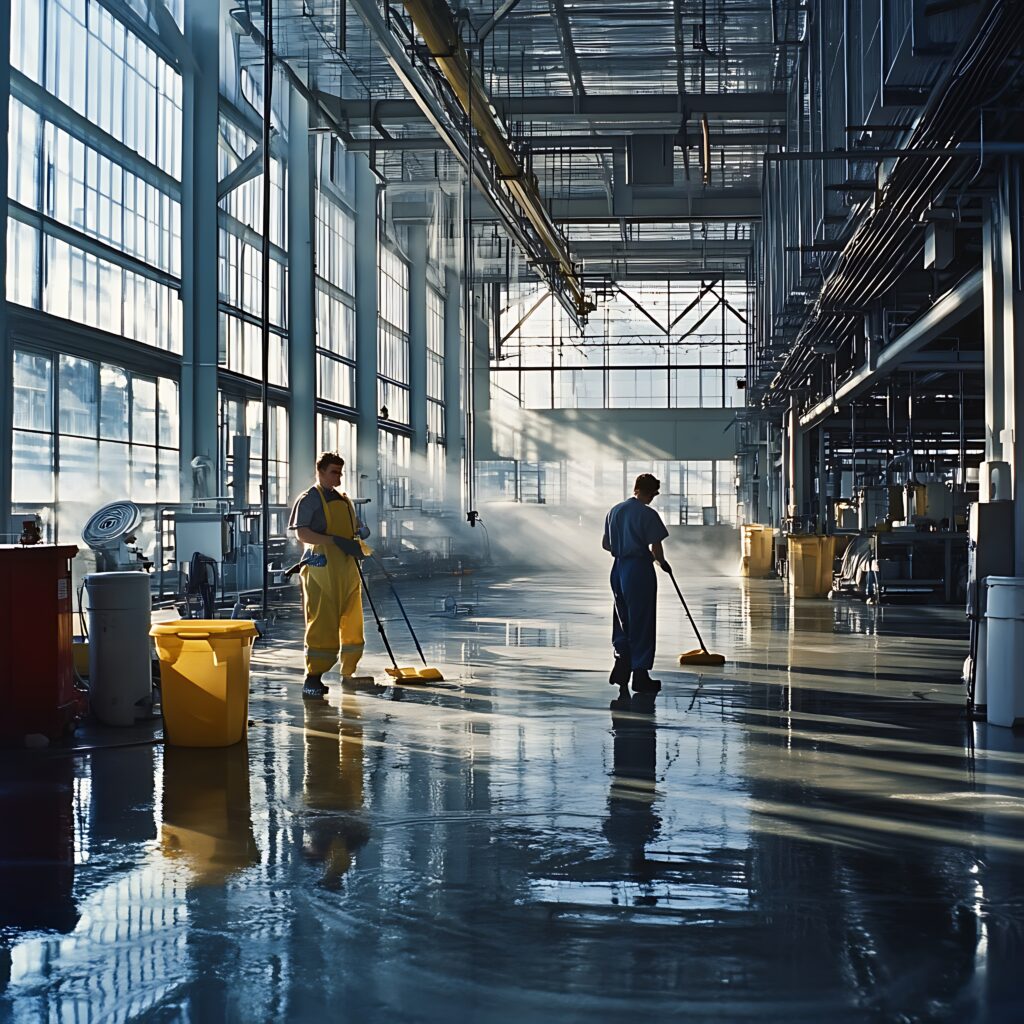
Planning an effective water recycling system should start from “the real data on your wastewater” rather than picking a technology and adjusting the system afterwards. The key steps are analysing wastewater quality, setting a reuse target, and assessing the return on investment (ROI) before deciding to install anything.
Hydrosys puts the emphasis on getting the front of that process right, starting with sampling the wastewater and analysing it in the laboratory to understand its characteristics precisely. Only then do we design a suitable system, calculate how much water can realistically be reused, and estimate the electricity and annual operating costs.
This approach lets customers invest on the basis of real data, reduces the risk of over-designing, and makes the water recycling system genuinely worthwhile and workable over the long term.
Summary
Water recycling in a factory is a key route to using less fresh water, cutting costs, and managing wastewater more systematically. It combines technologies from primary treatment, biological systems, and advanced filtration through to reusing the water in whichever production process suits it. A good design lets a factory get the most out of its water resources and stay sustainable in the long run.
FAQ
Q1: Can recycled water go straight back into the production process?
A: It depends on the application. For floor washing or cooling, MBR or DAF may be enough. For production processes that need purified water, an additional RO stage is required.
Q2: How long is the typical payback on a water recycling system?
A: Around 2-5 years, depending on daily water consumption, the water cost saved, and the size of the system installed. Factories that use a lot of water and pay high tariffs pay it back faster.
Q3: What is the difference between water recycling and ZLD?
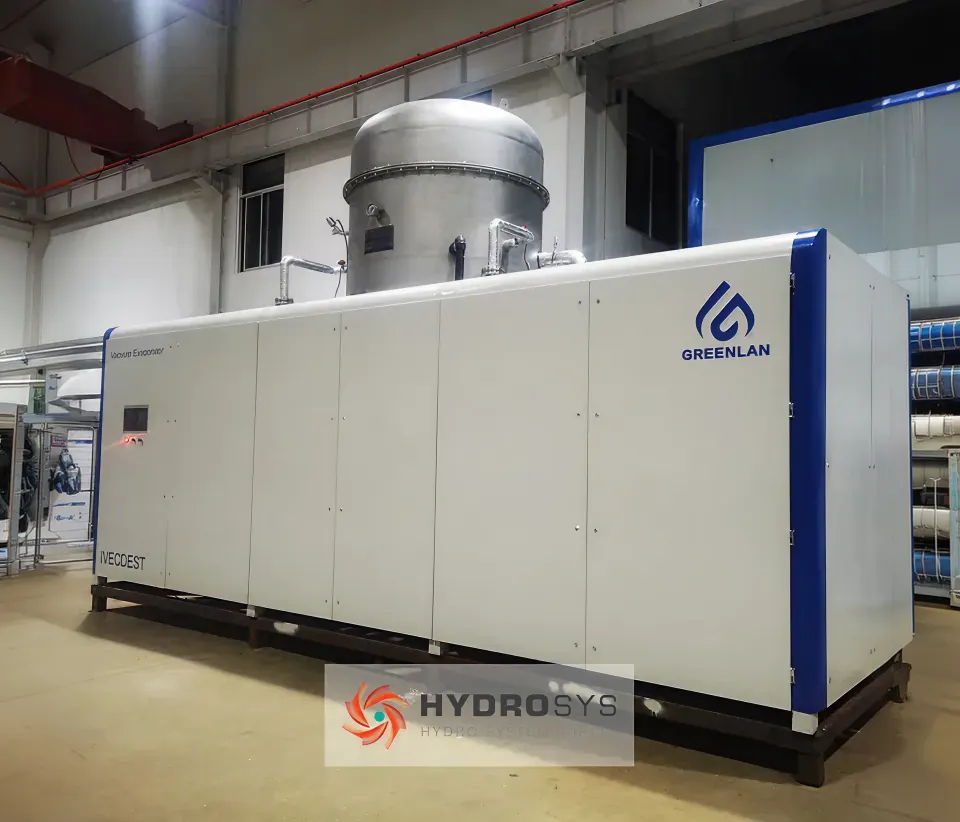
A: Water recycling reuses part of the water and still discharges some effluent, though far less. ZLD treats the water until there is no discharge at all, which suits areas where discharge is prohibited.
Q4: Does factory water recycling need every one of these systems?
A: No. A factory can use only the stages that suit its wastewater quality and its reuse target, avoiding unnecessary cost.
Q5: Can a small factory do water recycling?
A: Yes, with a system designed appropriately and sized compactly to match the volume of wastewater.
If you are interested in a Water Recycling System, Hydrosys is ready to advise you and analyse your factory’s wastewater in order to design the most suitable and efficient system.
For those concerned about the investment, we also offer a BOT model that gives your factory recirculated water without having to invest in or maintain the system yourself — you simply pay for the water you use, at a better rate than mains supply.
☎️ Tel: 02-889-6180, 089-479-8156
🟢 Line: @hydrosys
📬 Email: info@hydrosys.co.th, hydrosys@hydrosys.co.th
📘 Facebook:Hydrosys