

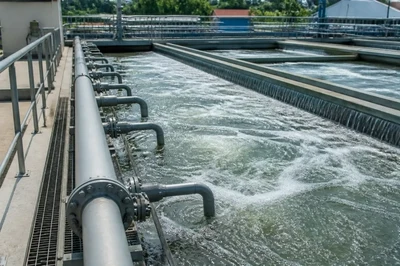

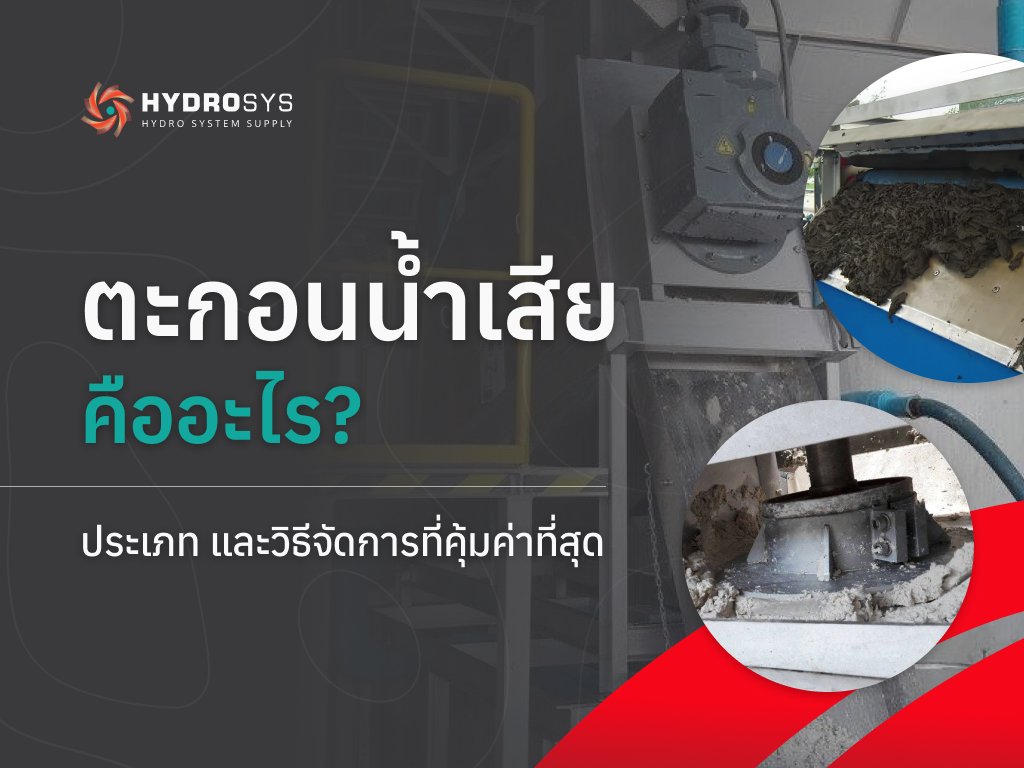
Wastewater sludge is the solid residue separated from water during the treatment process. It consists of dead microorganisms, organic matter, and residual chemicals. A medium-sized factory can generate as much as 5-20 tonnes of sludge per month, which becomes a very heavy disposal cost without proper management.
This article looks at how many types of wastewater sludge there are, how each type should be handled, and the sludge management technologies that effectively reduce volume, moisture, and disposal costs over the long term.
How Many Types of Wastewater Sludge Are There?
Wastewater sludge can be divided by its source into 2 main types, each with different characteristics and handling methods. Treating them as if they were the same can lead to choosing an unsuitable system and losing treatment performance. The two types are as follows.
1. Biological Sludge
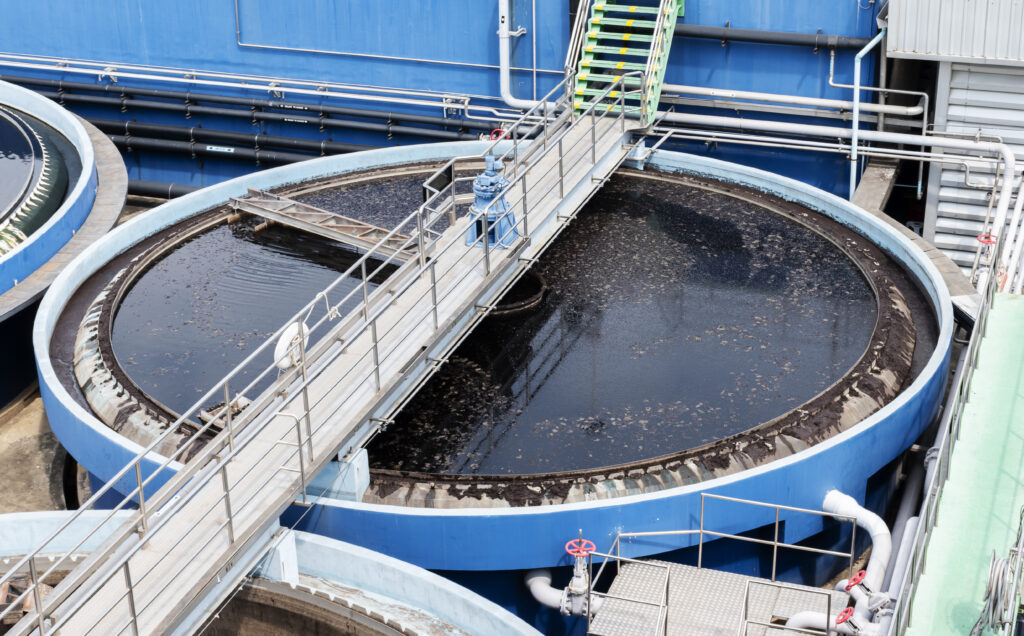
Biological sludge comes from the microorganisms used to break down organic matter in wastewater. As those microorganisms grow and die off, they accumulate into a brown or black sludge with a distinctive odour. This type holds a great deal of moisture — typically 97-99% — so it is heavy while containing very little actual solid matter. Food factories, beverage plants, and municipal wastewater treatment plants deal mainly with this type of sludge.
2. Chemical Sludge
Chemical sludge is produced by dosing chemicals such as lime, alum, or polymers to make contaminants settle out of the water. This type is usually denser than biological sludge, holds less moisture, and dewaters more easily. Metal plating plants, paint factories, and electronics factories mainly produce chemical sludge, and some of it may be classified as hazardous waste requiring special disposal.
Key point:
Sludge contaminated with heavy metals, such as sludge from metal plating plants, is classified as hazardous waste and may only be sent to a licensed disposal company. Never bury it or dispose of it yourself.
The Sludge Disposal Costs Factories Often Overlook
Sludge disposal is a cost that many factories partly overlook. A medium-sized plant generating roughly 100-200 cubic metres of wastewater per day may spend around 100,000-300,000 baht a month on sludge haulage alone — or more if the sludge is wet and heavy.
Investing in an efficient dewatering or sludge press, however, can cut sludge volume by roughly 5-10 times, which brings haulage and disposal costs down by a similar proportion. Payback on this kind of equipment is generally around 12-36 months, depending on the amount of sludge and the disposal rates each factory pays.
What Sludge Management Technologies Are Available?
Sludge management technology comes in several levels, and the choice should match the characteristics of the sludge and the factory’s goals. Price alone is a poor guide, because unsuitable equipment can deliver low performance and fall short of expectations. The technologies used most often are as follows.
1. Filter Press
The filter press is the most widely used technology for chemical sludge and dense sludge. It presses the sludge through filter plates under high pressure, forcing the water out until the sludge becomes a dry cake with only 60-75% moisture remaining.
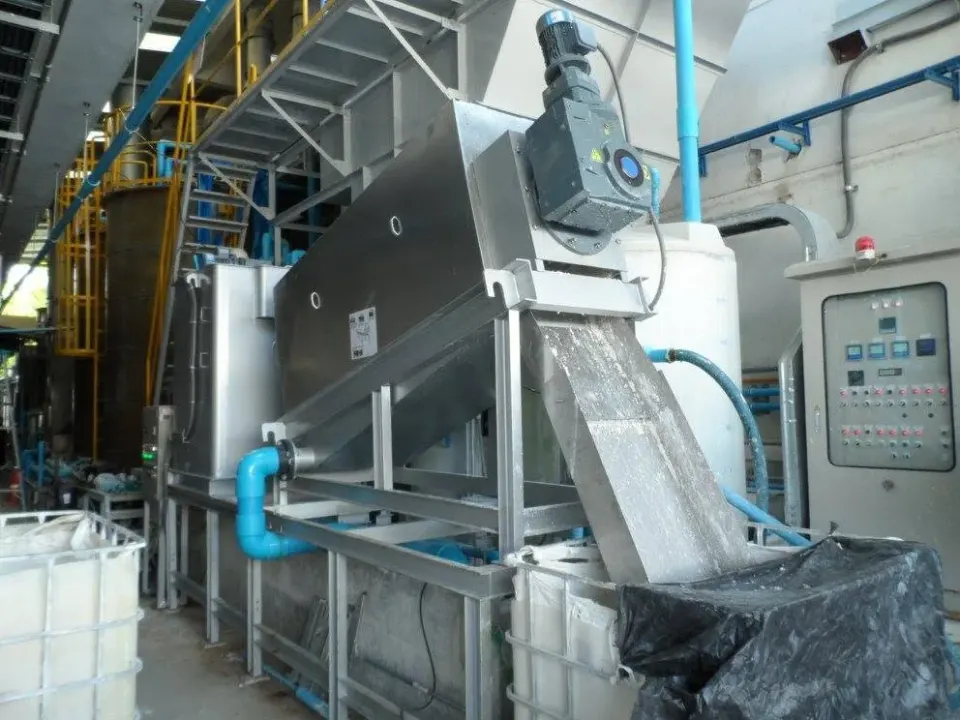
2. Screw Press
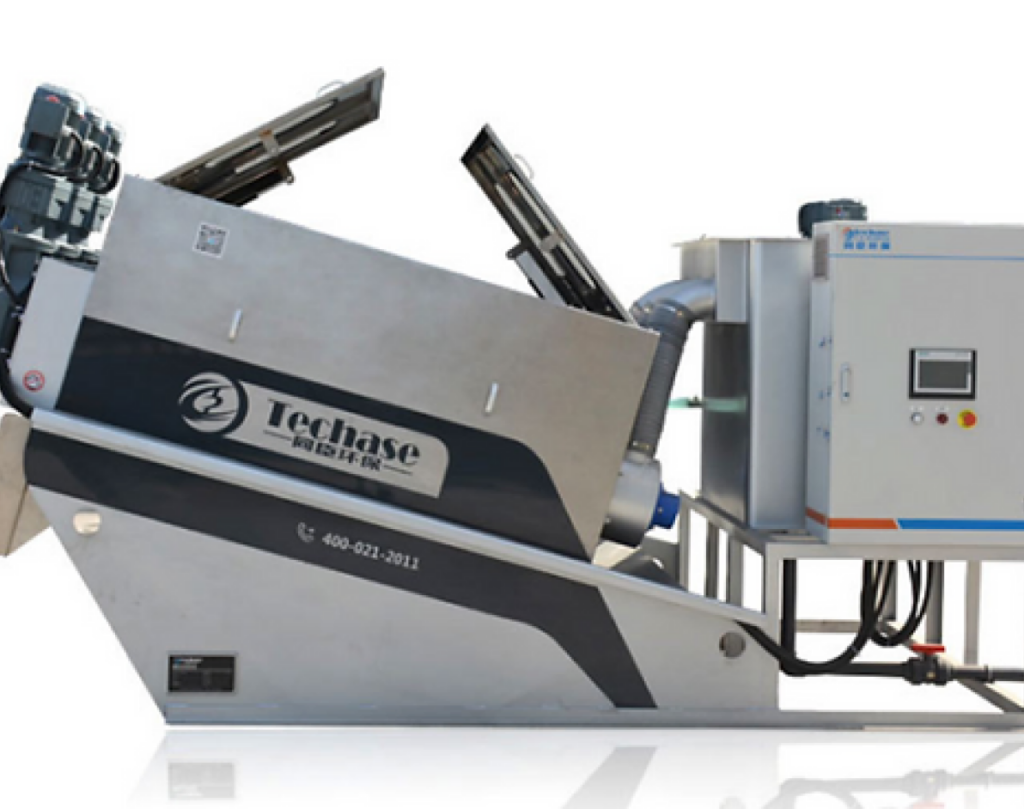
The screw press suits biological sludge and sludge with very high moisture content. It runs continuously 24 hours a day and needs little labour to supervise. The sludge it produces holds around 75-85% moisture, slightly more than a filter press, but it is a good fit for factories that want an automated system they do not have to watch constantly.
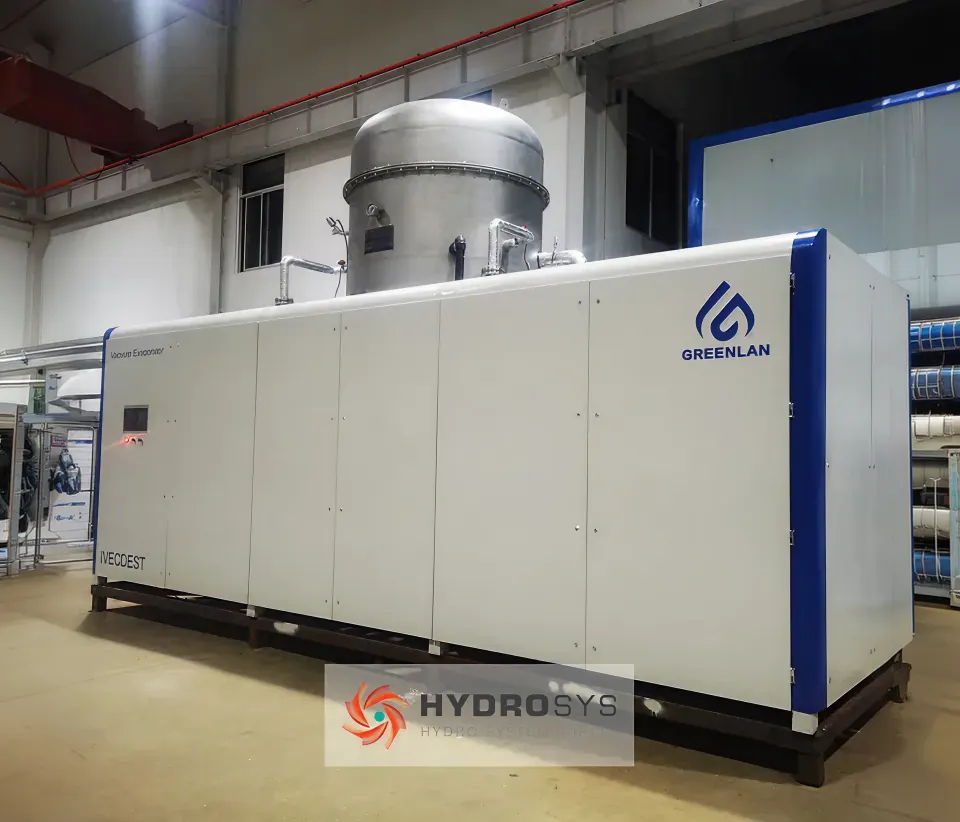
3. Sludge Dryer
The sludge dryer is the final step, cutting sludge weight by another 5 times after dewatering. Dried sludge retains only 10-30% moisture and turns into a powder or granules that are light and easy to transport. Some types can be reused as fertiliser or animal feed.
Tips:
Factories producing 1-5 tonnes of sludge a day should consider pairing a filter press with a sludge dryer, since together they cut sludge weight by 15-20 times — paying for themselves in under 2 years at factories with high disposal costs.
Summary
Wastewater sludge is the waste generated by a factory’s wastewater treatment process, and it comes as both biological and chemical sludge. Each type has clearly different properties and handling requirements, and choosing an unsuitable system can reduce treatment performance while pushing disposal costs up unnecessarily.
Effective sludge management starts with understanding the type of sludge you have, together with choosing the right technology — a filter press, a screw press, or a sludge dryer — to reduce volume, moisture, and long-term cost.
When the system is designed correctly from the start, a factory can cut its sludge disposal burden, improve operating efficiency, and earn back its equipment investment well over the long term.
FAQ
Q1: Is every type of wastewater sludge hazardous?
A: Not all of it. Biological sludge from ordinary treatment systems is usually not classified as hazardous waste, but sludge containing heavy metals or toxic substances, or sludge from chemical plants, requires special handling.
Q2: What is the difference between a filter press and a screw press?
A: A filter press works in batches and produces drier sludge, which suits chemical sludge. A screw press runs continuously with little supervision, which suits biological sludge and factories that want an automated system.
Q3: What can dried sludge be used for?
A: It can be turned into organic fertiliser or animal feed, provided it is biological sludge free of toxic substances.
Q4: How often does a factory need to dispose of sludge?
A: Weekly or monthly, depending on how much sludge is produced and how much storage capacity is available. With high volumes or limited storage, disposal may need to be more frequent to avoid build-up, odour, and system overflow.
Q5: Is a sludge dryer necessary?
A: Not for every factory, but it suits plants that need to cut sludge weight further after dewatering, or that still face high disposal costs. A dryer removes a great deal of moisture, clearly reducing transport and disposal costs in the long run.
If you would like an assessment of the sludge handling equipment best suited to your factory, the Hydrosys engineering team is ready to advise and to design a complete system around the characteristics of your sludge.
Learn more about our services at Sludge Presses and Sludge Dryers for Industrial Plants
☎️ Tel: 02-889-6180, 089-479-8156
🟢 Line: @hydrosys
📬 Email: info@hydrosys.co.th, hydrosys@hydrosys.co.th
📘 Facebook:Hydrosys