

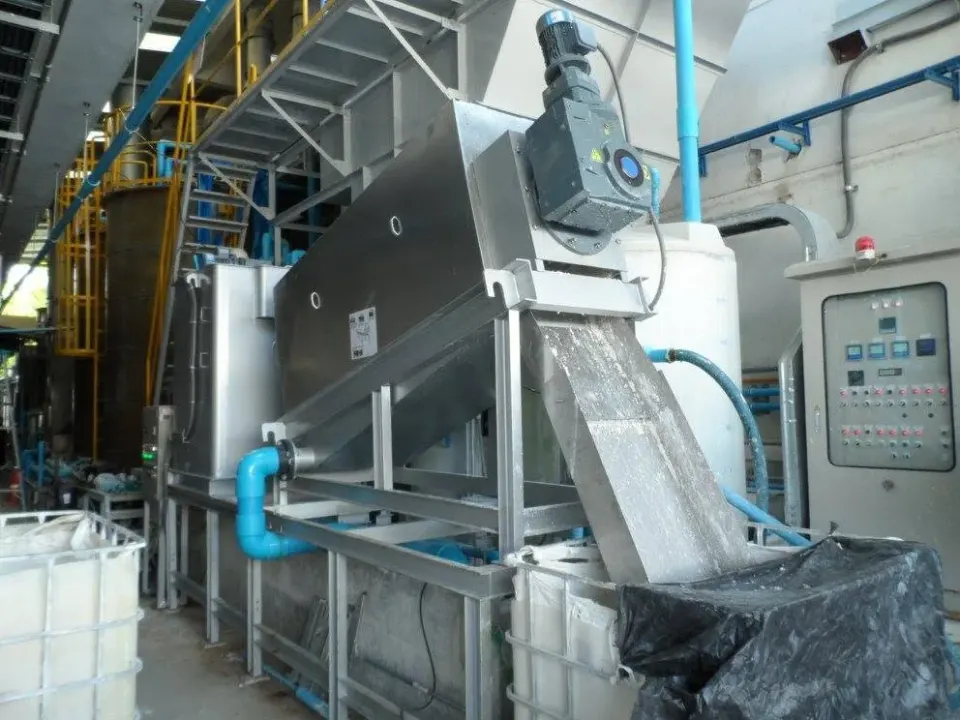
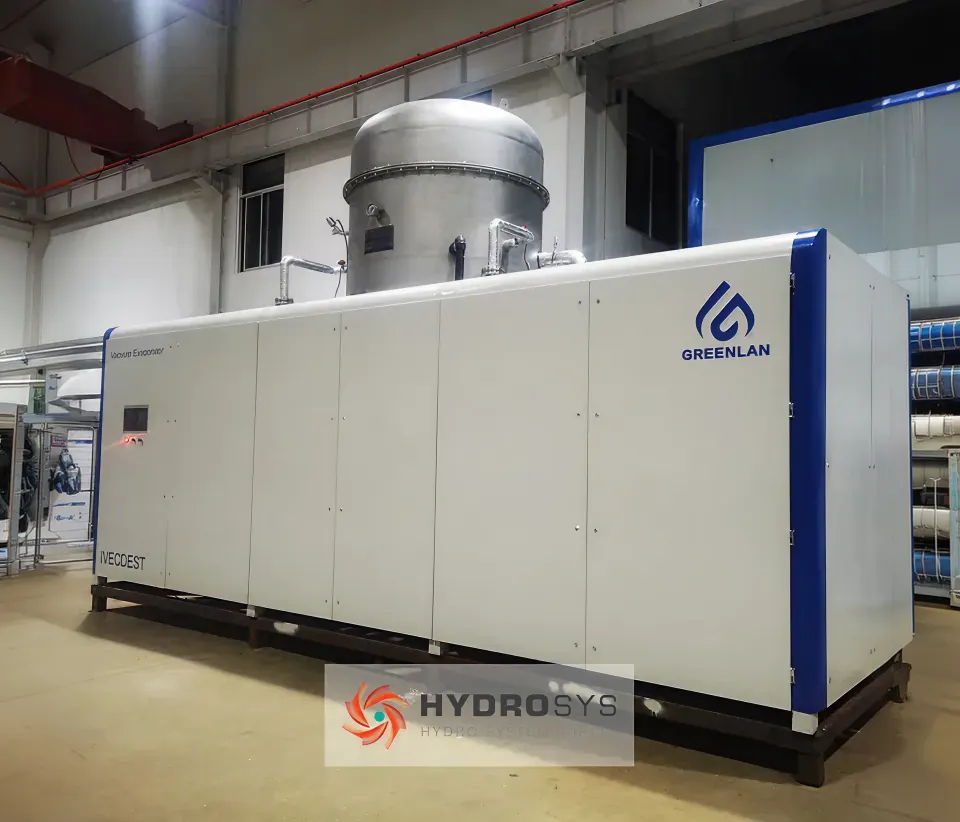
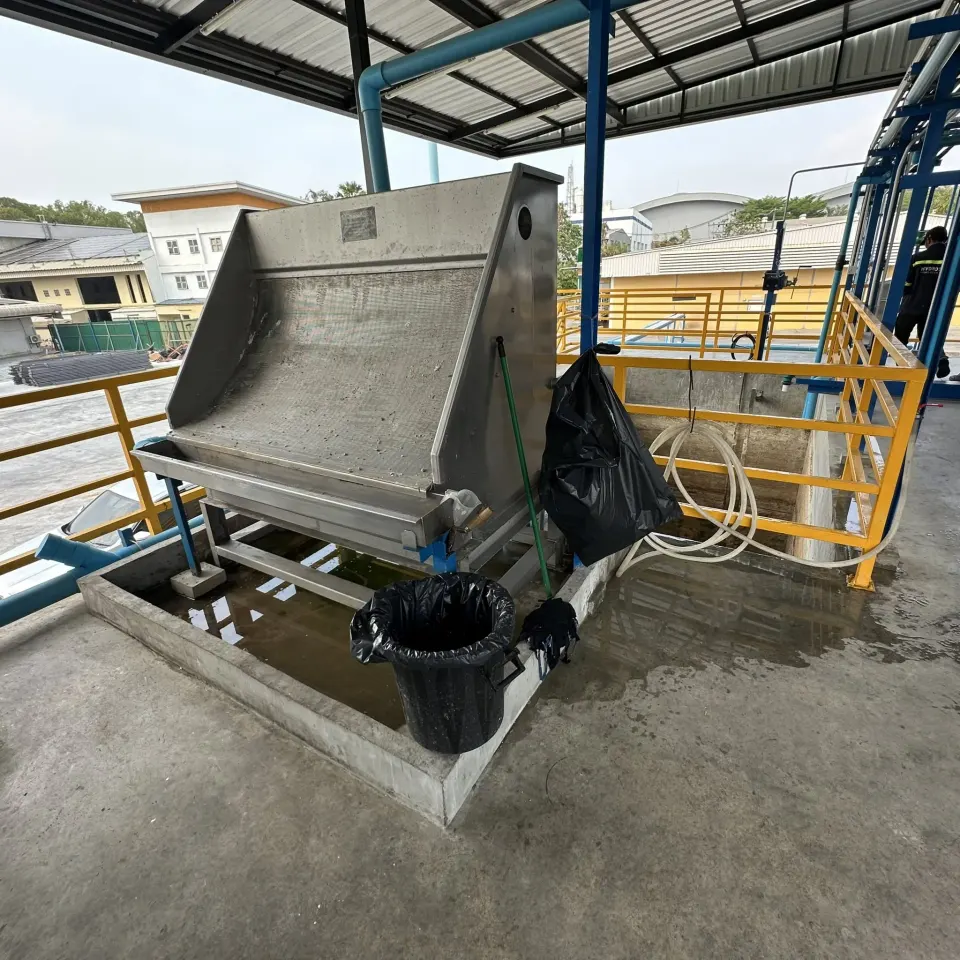

Thailand’s factory wastewater laws require every factory that discharges effluent into public waterways to treat that wastewater to the standards set by the Department of Industrial Works and the Pollution Control Department. Violations carry penalties of up to 5 years’ imprisonment, a fine of up to 500,000 baht, or both.
This article walks you through the relevant laws, the effluent standards you must comply with, the penalties every factory should know, and how to set up a wastewater treatment system that meets the legal requirements.
What Are Thailand’s Factory Wastewater Laws?
Factory wastewater regulation is built on 3 main laws that work together to control wastewater discharge from factories, covering permit conditions, effluent quality control, and the pollution limits that must not be exceeded. To make it easier to follow, here are the laws involved.
1. Factory Act B.E. 2535 (amended B.E. 2562)
This is the principal law covering all factory types. It requires Category 2 and Category 3 factories to install a wastewater treatment system and report results to the Department of Industrial Works (DIW) every 6 months. It also requires a water pollution treatment supervisor who has completed the required training and is registered with the DIW. Large factories generating more than 500 cubic metres of wastewater per day must install a continuous effluent monitoring system (CEMS) and send data to government agencies in real time.
2. Effluent Standards under the Ministry of Industry Notification
The Ministry of Industry Notification on contaminant limits in factory effluent sets the key parameters that must be met before wastewater is discharged, as follows:
- pH between 5.5 and 9.0
- BOD (Biochemical Oxygen Demand) not exceeding 20 mg/L
- COD (Chemical Oxygen Demand) not exceeding 120 mg/L
- SS (Suspended Solids) not exceeding 50 mg/L
- TDS (Total Dissolved Solids) not exceeding 3,000 mg/L
- Oil and grease not exceeding 5 mg/L
- Colour measured by ADMI not exceeding 300. Some factory types, such as metal plating plants, must also meet additional heavy-metal limits
Factories in specific industries that need to check the requirements in detail can read more in the full Ministry of Industry Notification on contaminant limits in factory effluent
Key point:
BOD and COD are the two indicators the DIW checks most often. Factories with highly concentrated wastewater, such as food plants, dye houses, or plating plants, need a treatment system robust enough to handle these values.
3. Environmental Act B.E. 2535
This law empowers the Pollution Control Department (PCD) to declare pollution control zones in problem areas, which can require factories in those zones to meet stricter standards than usual. It also allows members of the public to sue and claim damages from factories whose wastewater discharge causes harm.
Penalties Every Factory Should Know
Penalties under the Factory Act are graded by the severity of the violation. A factory that fails to meet effluent standards may face the following:
1. Warning stage
A factory inspector issues a written order requiring the factory to bring its wastewater treatment system up to standard, with a correction period set as appropriate — usually 30-90 days.
2. Administrative fines and suspension of operations (Section 39)
If the deadline passes without correction, or damage occurs, officials have the power to suspend operations temporarily (ordering the system or part of the plant to shut down). Violating that order carries a fine of up to 200,000 baht, plus an additional fine of up to 5,000 baht per day until the factory complies.
3. Criminal stage (critical wastewater discharge)
Intentionally discharging wastewater above the standards, or failing to comply with a correction order, carries criminal penalties of up to 2 years’ imprisonment, a fine of up to 200,000 baht, or both.
4. Maximum penalty (permanent closure)
If a factory ignores a temporary suspension order, or its wastewater discharge causes severe and irreversible harm to the environment and the community, the Minister has the power to revoke the factory’s operating licence and order it closed permanently.
What Must a Factory Have Under the Law?
Under factory and environmental law, a factory needs several key components in place in order to operate correctly and in line with the standards. The main ones are:
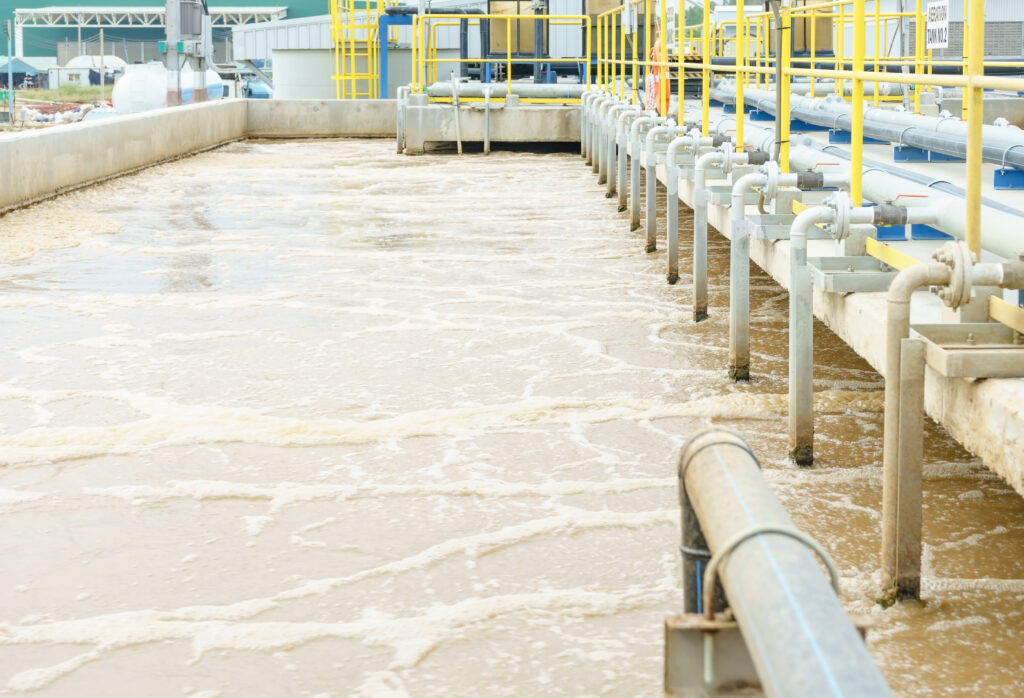
1. A properly designed wastewater treatment system
The factory must provide a treatment system designed for the peak wastewater load, not the average, together with drawings and engineering calculations to submit with the permit application to the relevant authorities.
The technology chosen must suit the wastewater characteristics of each industry, for example:
- Food factories with high BOD typically use biological treatment
- Metal plating factories need chemical treatment to remove heavy metals and precipitate solids
2. A registered water pollution treatment supervisor
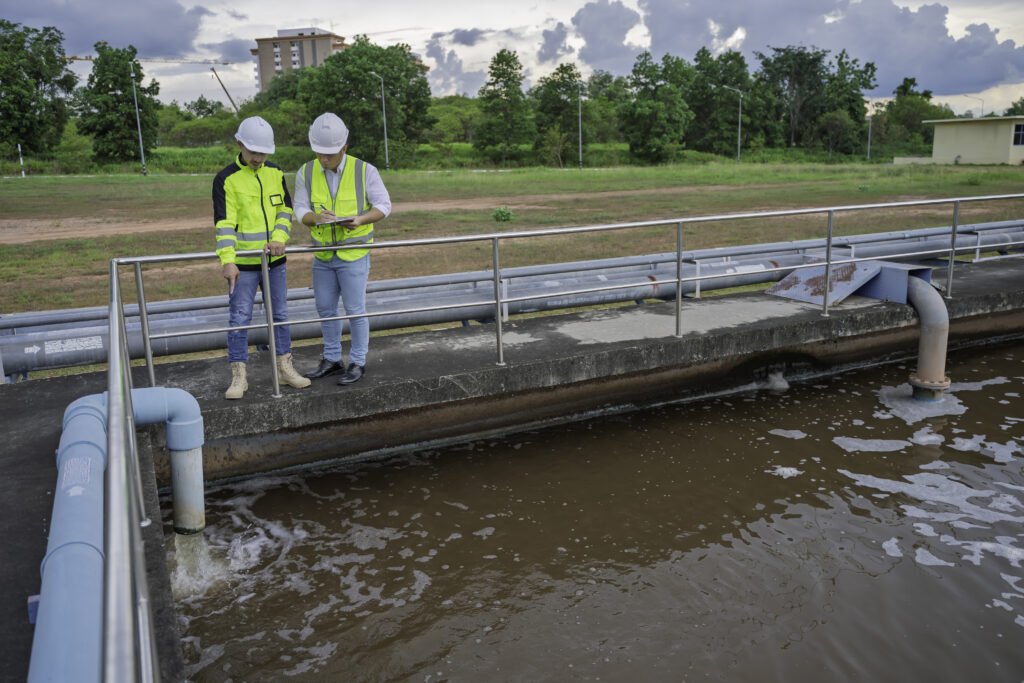
Category 3 factories must appoint a water pollution treatment supervisor who has completed a training course accredited by the Department of Industrial Works and is properly registered. Their main duties are:
- Operating and inspecting the treatment system
- Recording and reporting system performance against the required criteria
3. Effluent analysis reporting
The factory must sample its effluent for regular analysis, generally at least every 6 months, and submit the reports to the regulator on schedule.
The laboratory used for the analysis must be accredited to ISO/IEC 17025 so the results are credible and can be relied on as legal evidence.
Caution:
Hiring a non-accredited laboratory to analyse your effluent means the results have no legal standing, and the DIW will treat the factory as not having reported at all.
How to Manage Wastewater and Stay Compliant
Across more than 30 years supplying wastewater treatment equipment to over 150 factory projects, Hydrosys has found that factories usually fail the standards for 3 main reasons:
- The treatment system does not match the actual wastewater characteristics and volume
- Equipment in the wastewater system is damaged but not repaired in time
- The hydraulic load exceeds the system’s capacity during peak production, or highly concentrated wastewater overwhelms the system
Solving the problem properly always starts with analysing the factory’s actual wastewater, then designing the system around the real load and the composition of the effluent in that particular industry.
A single off-the-shelf system should not be used for every factory, because each industry’s wastewater differs in composition and complexity, which directly affects long-term treatment performance.
Tips:
If your factory is expanding production capacity, remember to assess whether the existing treatment system can handle the extra wastewater. Expanding treatment capacity should go hand in hand with expanding the production line.
Summary
Thailand’s factory wastewater laws clearly define the standards to be met, the reporting duties, and the penalties. Factories that invest in an effective treatment system from the start save a great deal in the long run — on fines, on maintenance, and on the risk of being suspended or shut down.
So if you are unsure whether your current wastewater treatment system can meet the legal standards, having a specialist inspect and assess it first is the most cost-effective way to reduce that risk.
FAQ
Q1: Do small factories need a wastewater treatment system?
A: Yes — if they fall under Category 2 or 3 of the Factory Act. The system size depends on the actual volume and characteristics of the wastewater generated.
Q2: How often must effluent results be reported?
A: Every 6 months. Large factories or those in special control zones may need to report every 3 months or send real-time data via a CEMS.
Q3: If our effluent fails the standards, what should we do first?
A: Notify the DIW immediately with a clear corrective plan. Self-reporting before being caught is usually considered grounds for reduced penalties.
Q4: Is ZLD (Zero Liquid Discharge) legally required?
A: Not as a general standard yet. However, some factories in special control zones or industrial estates that prohibit public discharge may be required to implement ZLD.
Q5: How often does the DIW inspect factories?
A: Around 1-2 times a year, with no fixed schedule. The DIW may inspect unannounced when complaints are received.
If you are about to add a production line and are worried the existing wastewater treatment system will not keep up, the Hydrosys engineering team is ready to advise — with a free site survey and a system designed specifically around each factory’s wastewater.
Learn more about our services at General Wastewater Treatment Systems
☎️ Tel: 02-889-6180, 089-479-8156
🟢 Line: @hydrosys
📬 Email: info@hydrosys.co.th, hydrosys@hydrosys.co.th
📘 Facebook:Hydrosys