



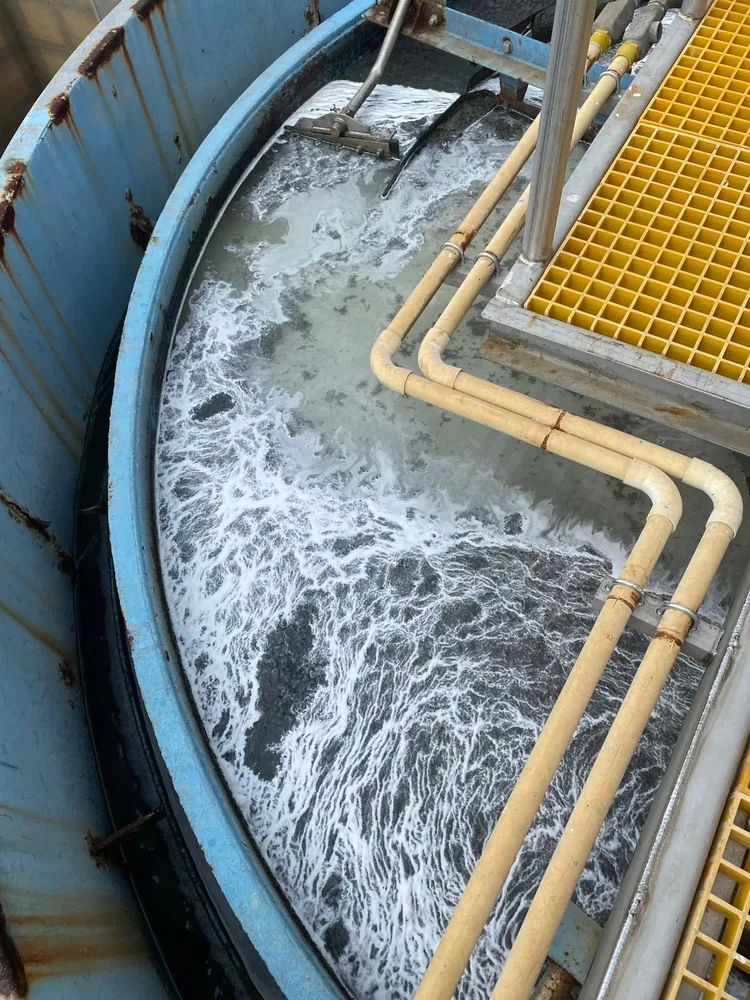
Contaminated, hard-to-treat wastewater
For wastewater containing chemicals or contaminants that cannot be discharged directly.
All of Our Products & Services
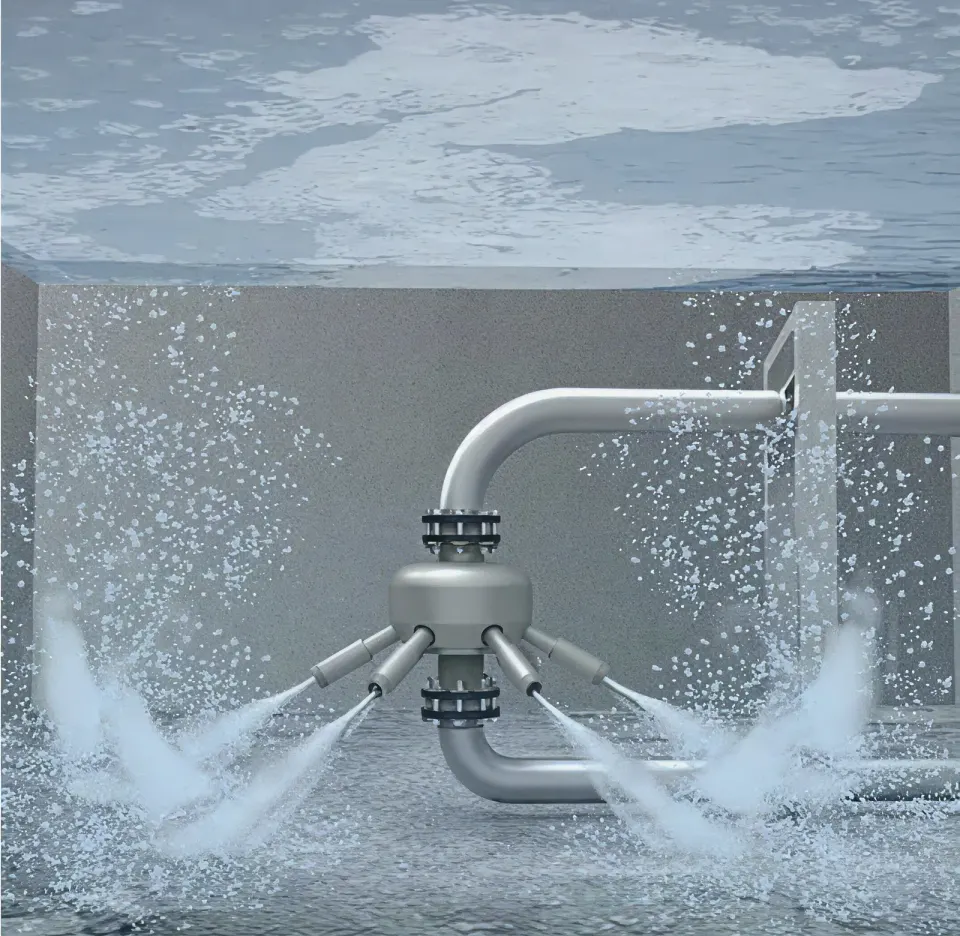 Wastewater Treatment System General Wastewater Treatment
 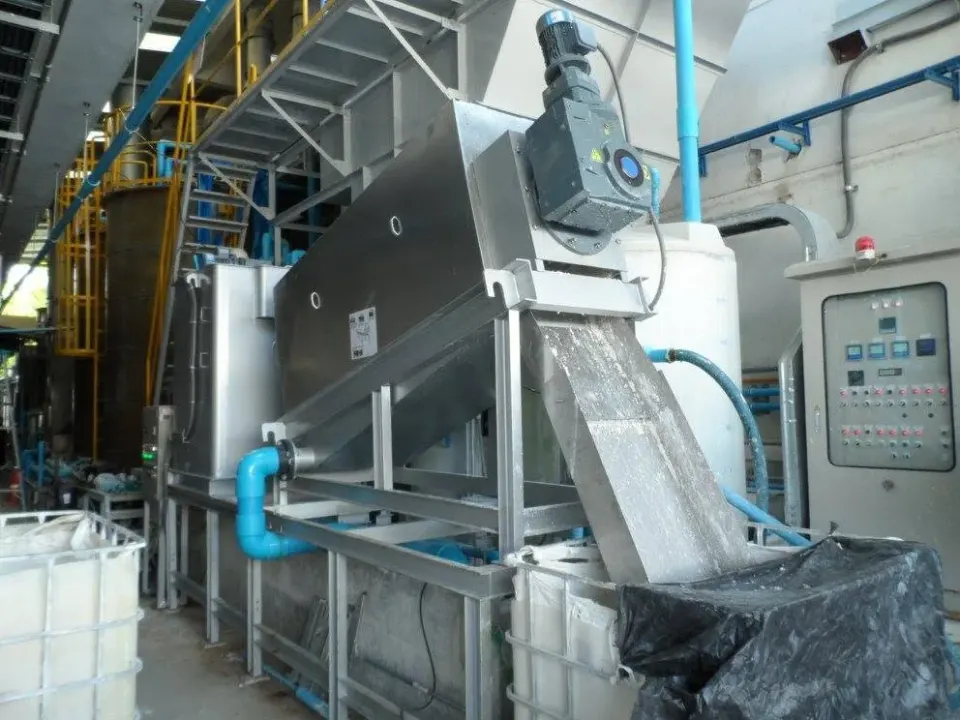 Sludge Treatment System Sludge Dewatering & Drying
 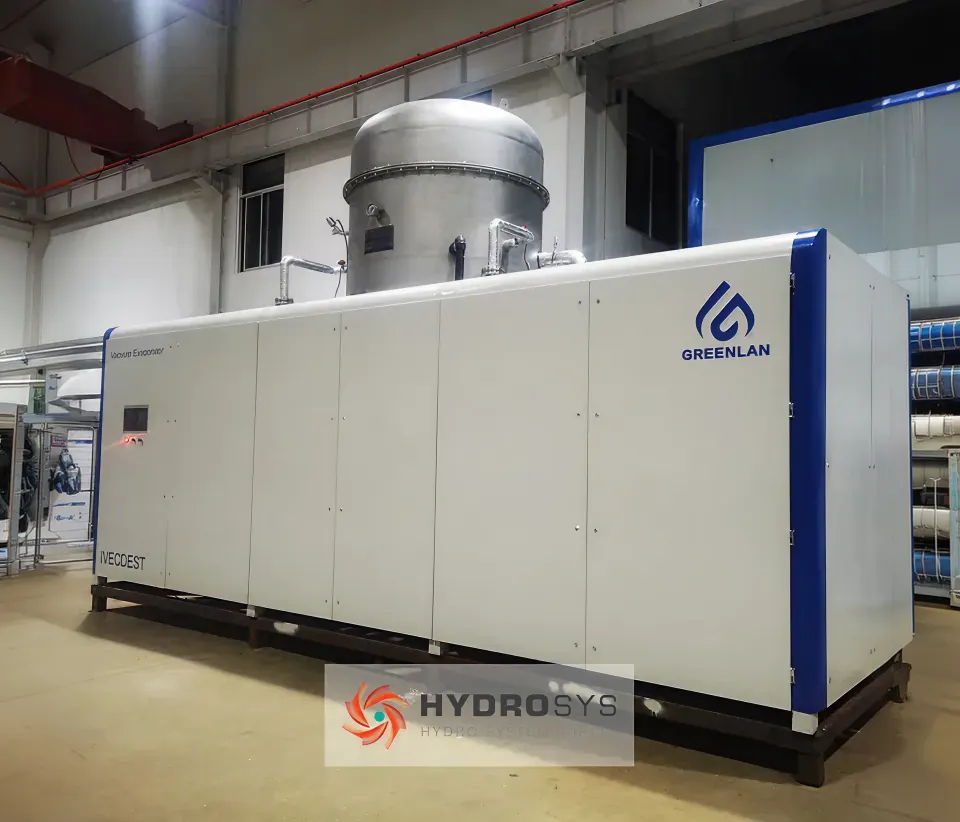 Evaporation & ZLD System Evaporation & Zero Liquid Discharge
 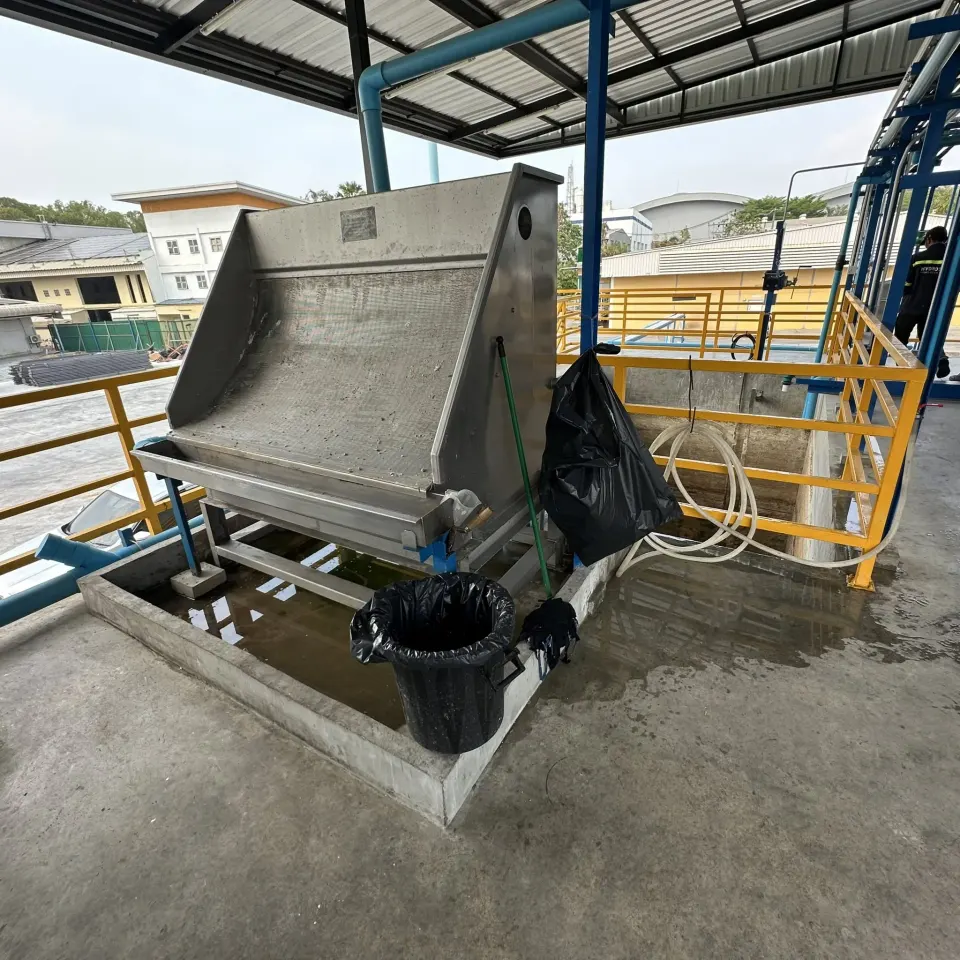 Preliminary & Primary Wastewater Treatment Preliminary & Primary Treatment
 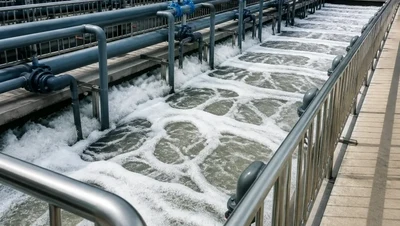 Membrane Filtration System Advanced Wastewater Treatment
 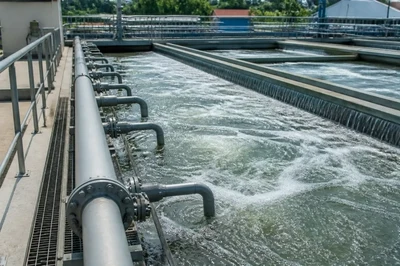 Water Reuse & Recycling System Water Reuse & Recycling
 Upgrade your high-sludge wastewater management with a Sludge Treatment System combining sludge dewatering machines and sludge dryers — reducing sludge volume by up to 90%, cutting disposal costs, and maximizing value for your plant.
Every treatment system produces sludge that is 95–99% water, heavy and bulky.
Hauling and disposal can cost hundreds of thousands to millions of baht per month.


Hydrosys designs and builds sludge dewatering machines, matching the right technology to each plant to cut disposal costs and energy use.
Consult UsHandle waste cake efficiently with innovations that cut volume, weight, and cost, turning liquid waste into dry, easy-to-handle cake with maximum added value.
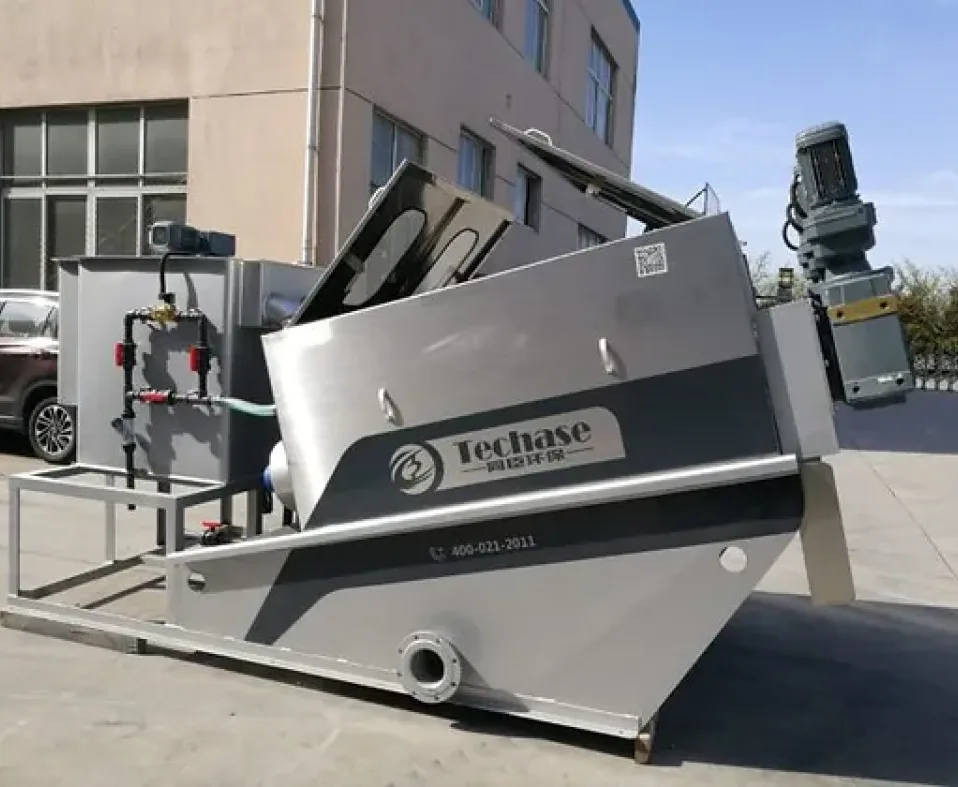
Presses water out of sludge with compression or screw force, turning treatment-system sludge into dry, easy-to-handle cake with maximum added value.
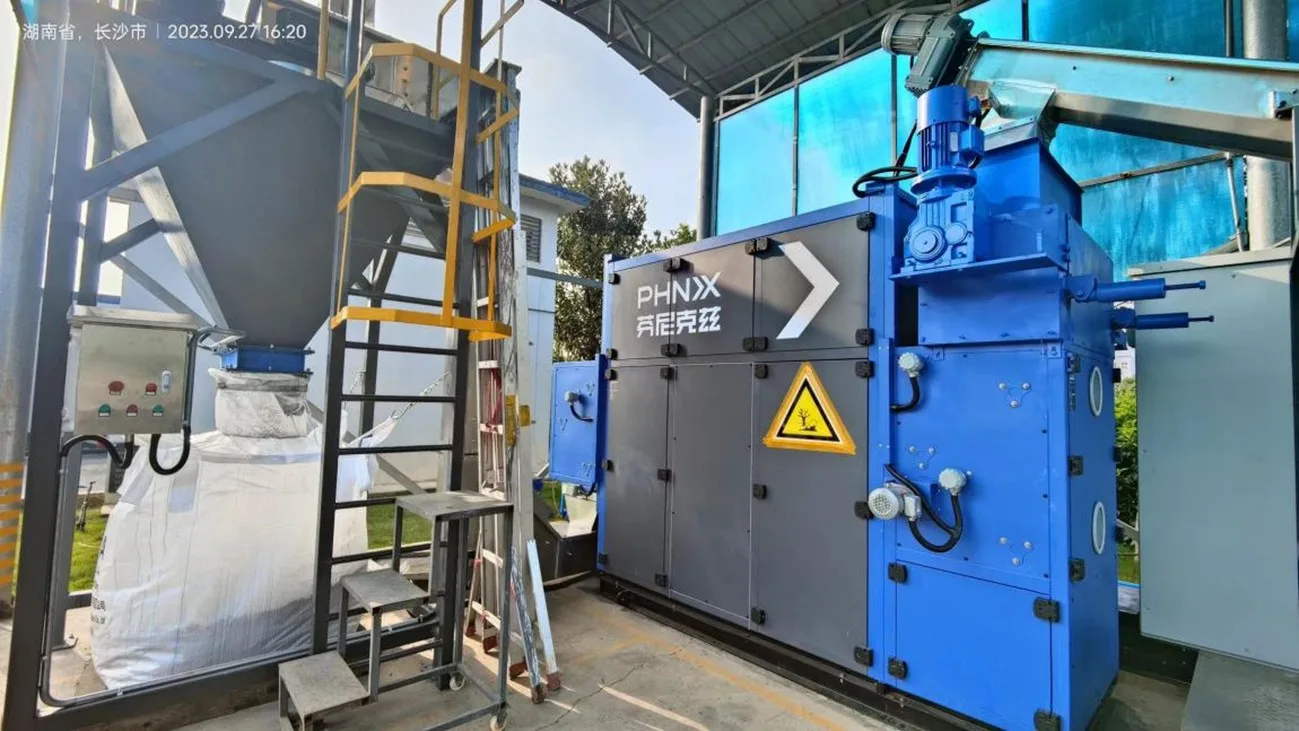
Uses heat to dry sludge cake into powder, cutting final weight or turning the cake into a value-added by-product.
End-to-end sludge management, from dewatering to drying. Cuts waste volume and handling costs, with the flexibility to adopt only the steps your plant needs.
Sludge leaving treatment still holds high water content, so its volume and weight are the starting burden before disposal.
A dewatering machine or Screw Press presses water out, leaving roughly 70–85% moisture and cutting cake volume to haul by up to 10×.
Semi-dry cake is dried into powder at roughly 30% moisture, cutting weight another 4–5×. The clean cake can be put to further use.
Every wastewater treatment system generates sludge that must be disposed of. Dewatering machines suit industries with high sludge volumes that want lower cake-disposal costs, especially these groups.
Hydrosys covers design through after-sales, so your system runs efficiently, meets standards, and repays your investment.

Wastewater analysis and system design by specialist engineers.

Custom-built: materials, sizing, and functions matched to your wastewater.

World-class equipment imported and delivered straight to you.

Ongoing care and maintenance by our expert technicians.
From sludge analysis and technology selection to installation and after-sales service, we make sludge management simpler, cheaper, and better performing.
We analyze the sludge first: hard chemical or lime sludge calls for a Filter Press, soft or greasy sludge suits a 24-hour Screw Press.
Structures adapt to your site, with tall stands or shorter plates for tight spaces, plus options rivals rarely offer such as automatic washing and plate-shaking cake release.
Our dryers recover plant waste heat, such as steam or stack air, to cut electricity costs, or run on 100% electric power.
Full-size demo units and lab testing help you decide before buying, plus rental units covering repairs or upgrades.
The dryer recirculates heat internally with no air intake or exhaust, solving odor and dust problems.
A 1-year warranty, our own PM team ready on-site immediately, and spare parts made in-house in Thailand.


Free Wastewater Testing
Plus Backup Equipment Rental
Send a wastewater sample for free lab testing and we will match the right equipment. Rental units keep your system running during maintenance.
A complete range of sludge-handling equipment for dewatering and moisture reduction in wastewater treatment — boosting system performance in industrial plants.
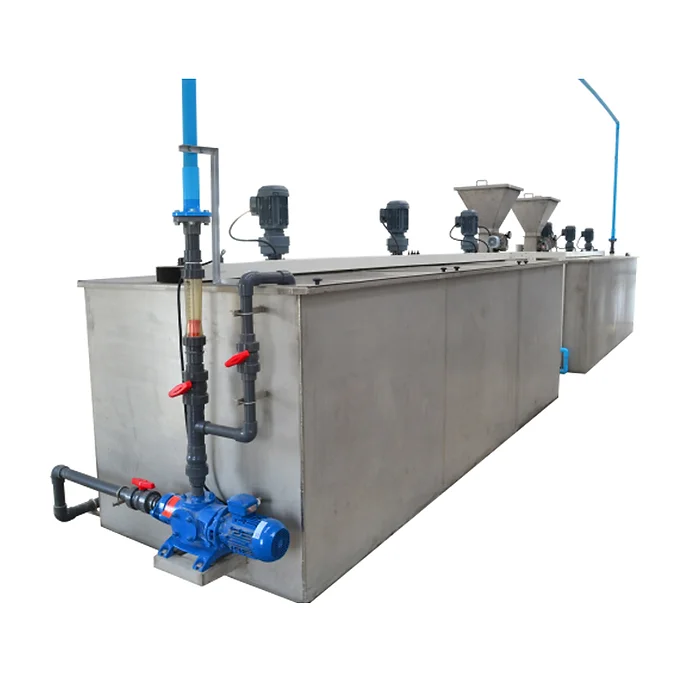

The HydroPolymer HDF Polymer Preparation Unit is for automatic preparation of polyelectrolyte solution at a concentration of 0.05–0.2%, supporting preparation rates of 500–10,000 L/hr, with a 3-chamber tank for dissolving, maturing and storing/dosing the solution. It is suitable for use together with sludge dewatering systems and DAF to consistently improve sludge flocculation efficiency.
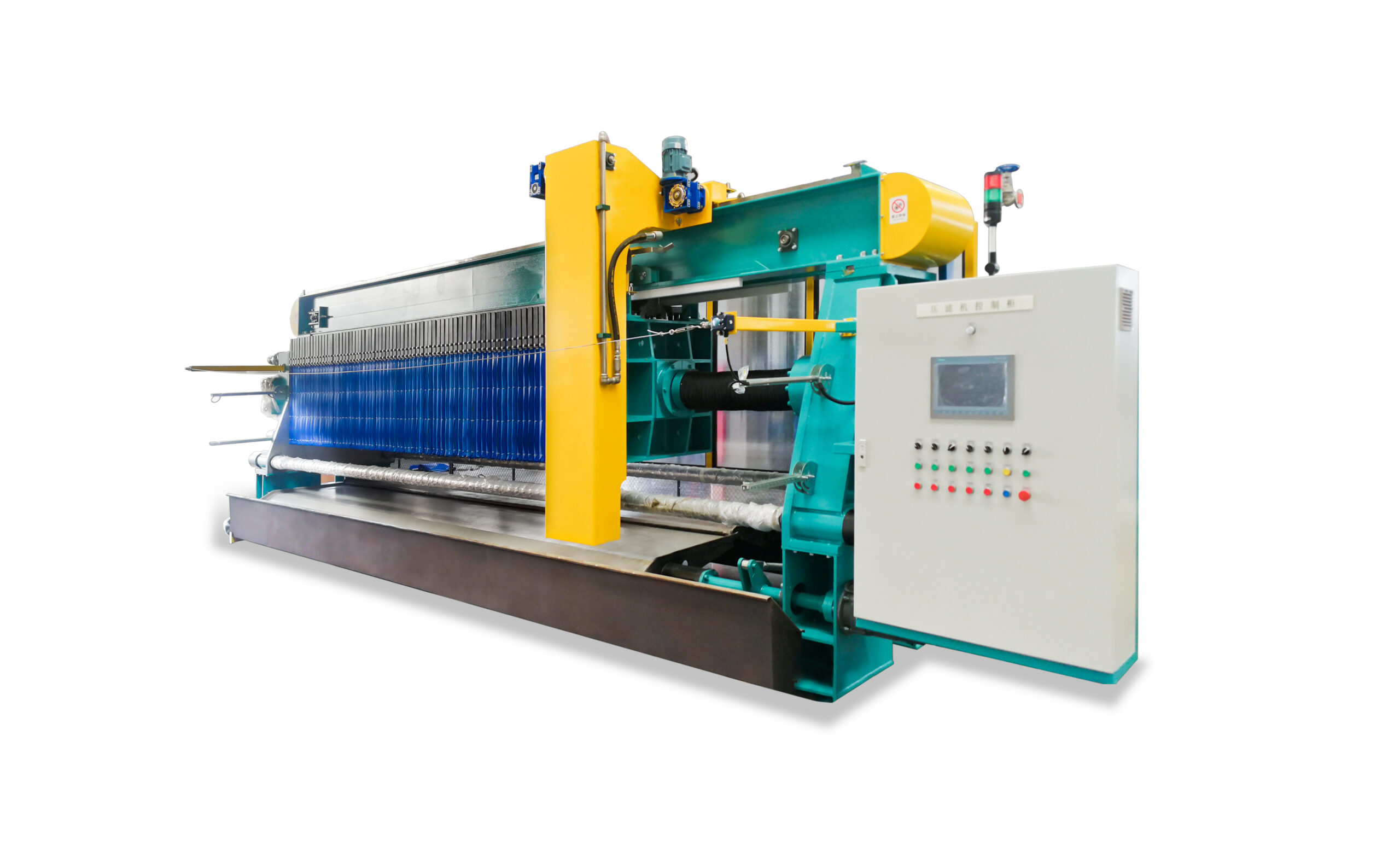
The Filter Press / Plate & Frame Filter Press is a sludge pressing machine that uses high pressure to separate solids and liquids, producing sludge with low moisture, generally around 50–70%. It supports operation from manual to fully automatic systems and offers optional extras such as Membrane Squeeze and an automatic filter cloth washing system. It is suitable for applications that require efficient reduction of sludge moisture.
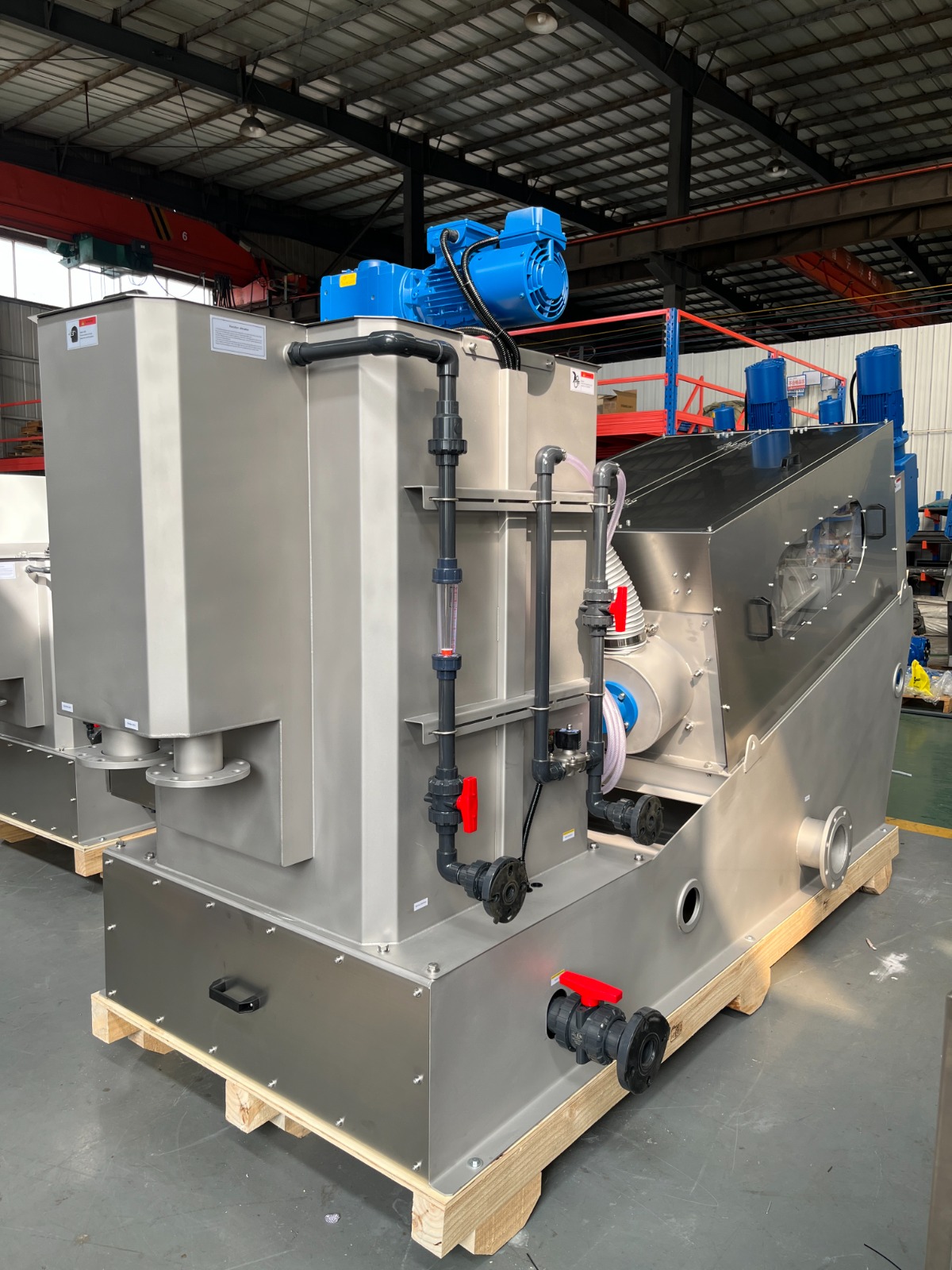
Screw Press (Volute Dewatering Press) is a sludge dewatering machine that separates solids and liquids by the mechanical pressing action of a screw and rings, without using heat. It consumes little energy, approximately 1–5 kW per unit, operates continuously 24 hours, runs quietly and does not clog easily. Suitable for dewatering biological sludge, chemical sludge and food waste.
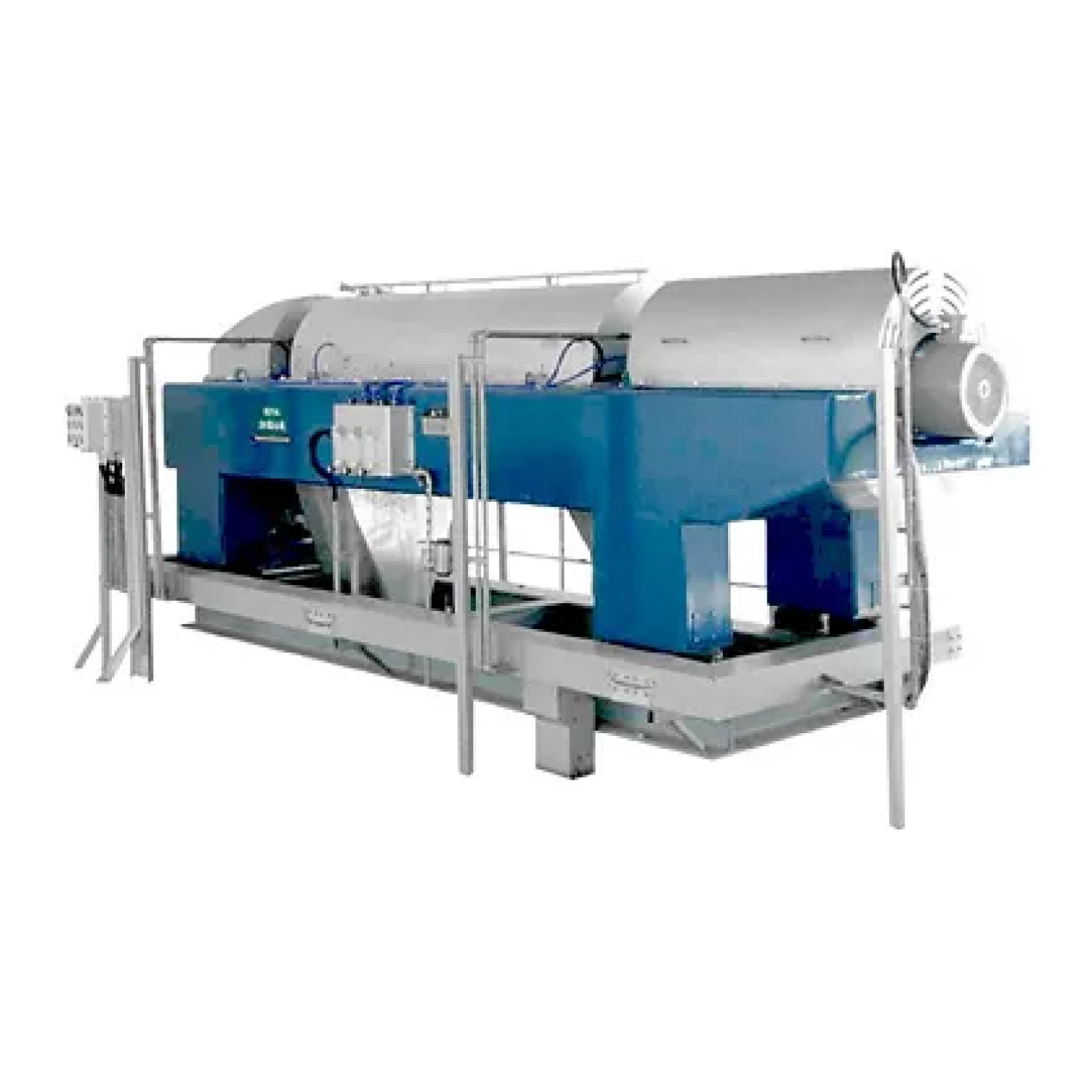
Decanter Centrifuge is a centrifugal sludge dewatering machine that separates solids and liquids by high-speed centrifugal force. It handles sludge concentrations of approximately 2,000–30,000 ppm and produces a dry sludge cake of approximately 20–30% DS. It operates continuously in a closed system and supports high throughput in a limited space, suitable for industrial applications requiring speed and continuous operation.
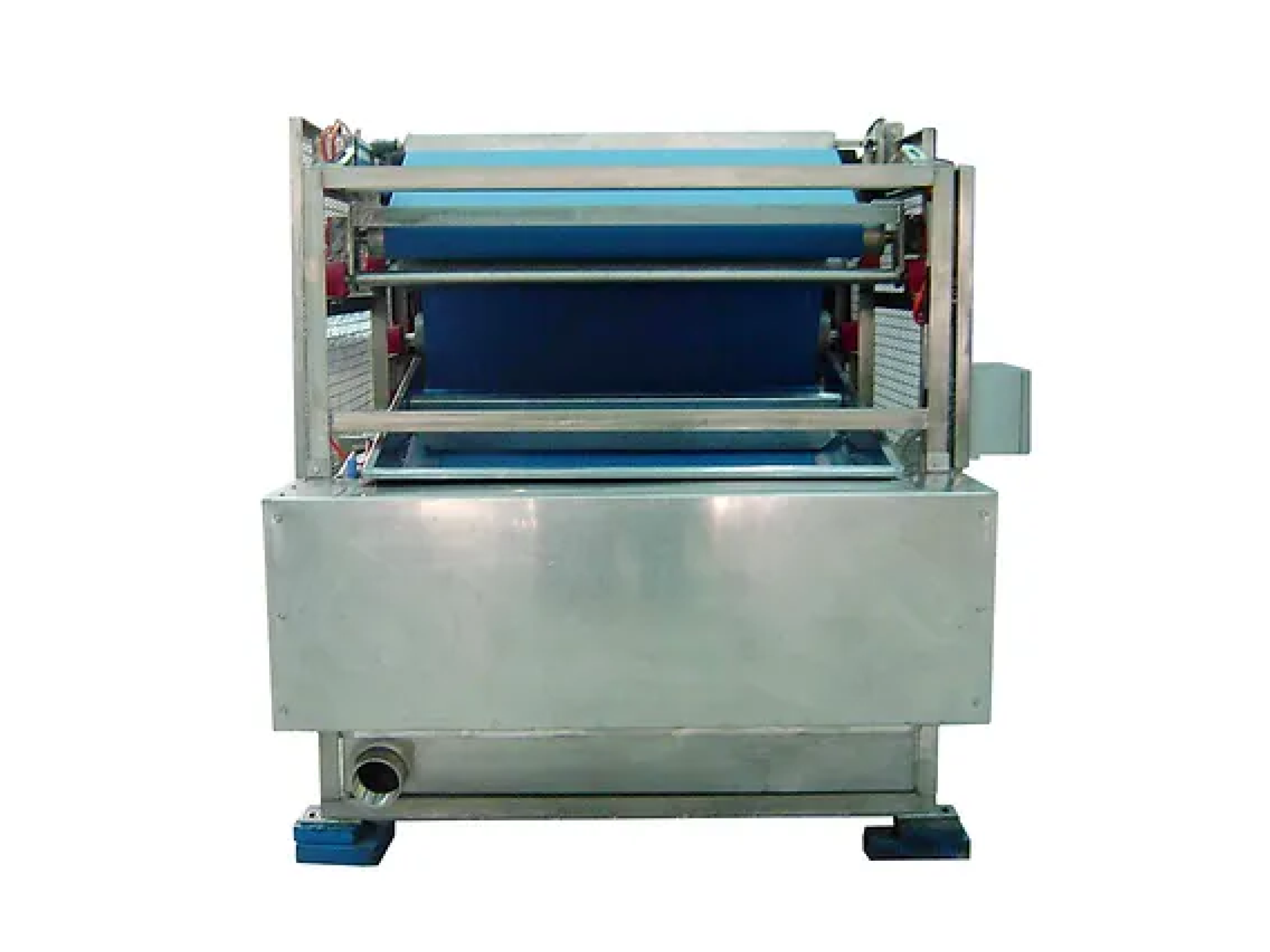
Belt Filter Press is a belt-type sludge dewatering machine that continuously separates water from sludge by the pressing and shear forces between a pair of belts running over rollers. It produces a dry sludge cake of approximately 18–25% DS from feed sludge with a concentration of 0.8–4%. Suitable for systems with large sludge volumes that require continuous operation with low energy consumption.
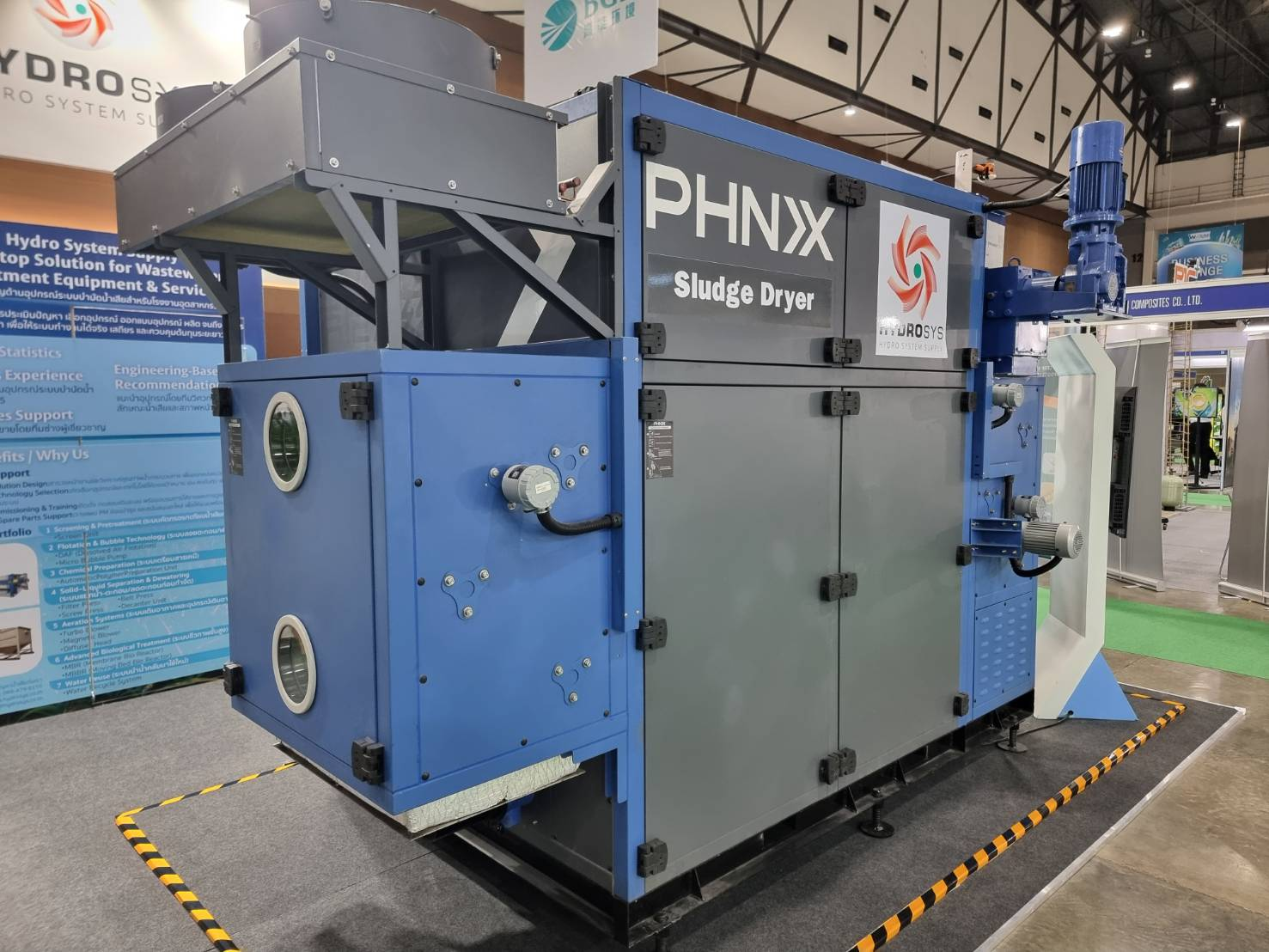
Sludge Dryer/Low-Temperature Sludge Dryer is a sludge drying machine using a heat pump at temperatures below 70°C, helping reduce the weight and volume of sludge, with a heat recovery system to save energy. The closed system helps control odour and vapour, leaving the sludge dry, easy to handle and extendable towards a Zero Liquid Discharge (ZLD) approach.
We manage every step, from wastewater analysis and system design to production, installation, and commissioning by specialist engineers.
Tell us your on-site problem for an initial consultation and system assessment from our engineers.
We analyze your plant’s wastewater in the lab to select the most suitable treatment method.
We design the system and select equipment to match your wastewater characteristics.
We calculate costs and prepare a quotation with full specifications for your review.
Once design and price are agreed, sign the contract and place the order; production then begins.
When production is complete, we deliver the machinery to your site.
Covered throughout the warranty period, typically one year (or as stated in the contract). If anything goes wrong, our team is ready to help.
Hydrosys designs, manufactures, and supplies end-to-end water treatment systems for a wide range of wastewater challenges, keeping water management cost-effective.
For wastewater containing chemicals or contaminants that cannot be discharged directly.
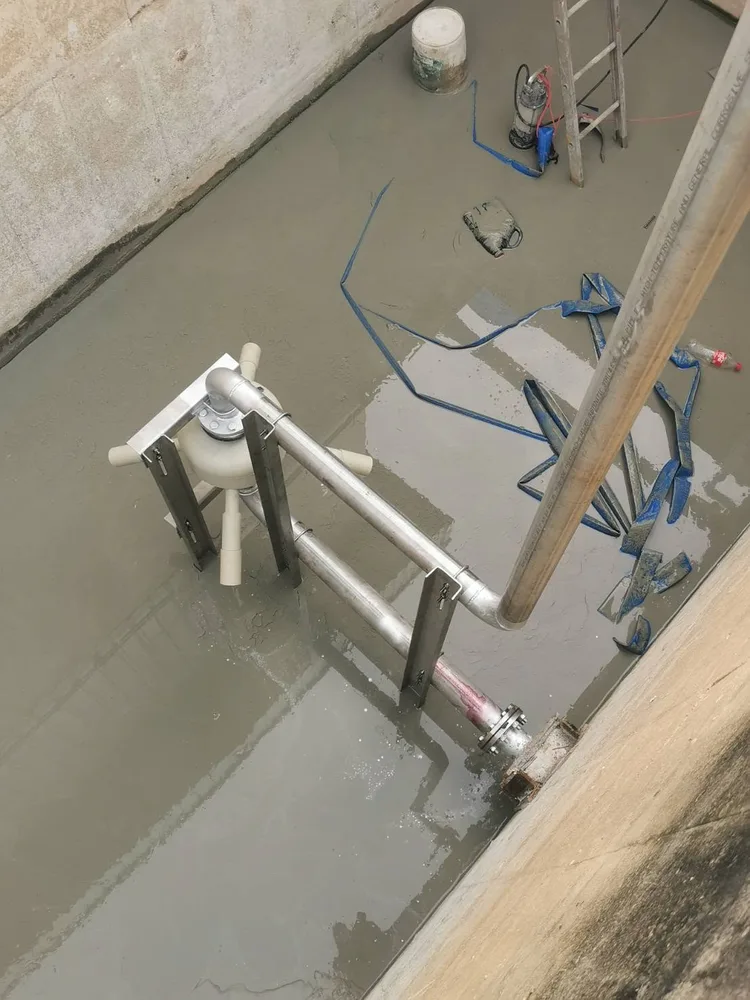
If BOD, COD, or TSS levels still exceed the limits, an advanced treatment system can boost performance.
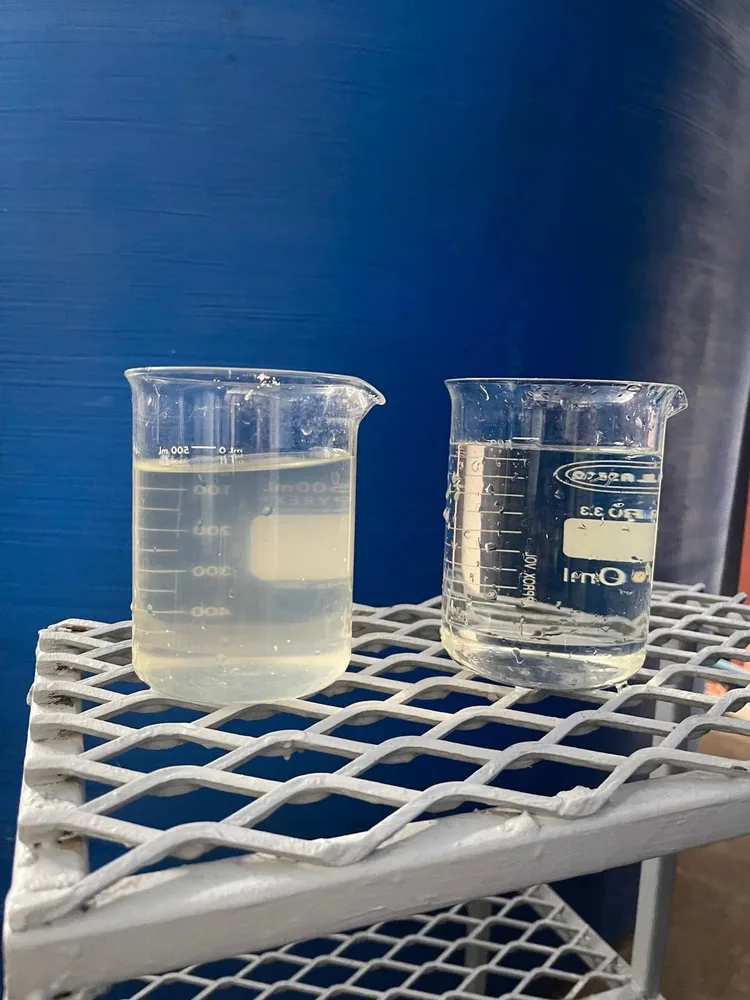
Turn effluent back into a resource with a Water Reuse & Recycling system.
Screens out solids, grease, and suspended matter before the main system, reducing clogging and easing the load on your primary equipment.
About our wastewater treatment
systems and related equipment
A filter press leaves roughly 70% (±5%) and a screw press roughly 85% (±5%), depending on the sludge type and water conditions.
Usually yes — polymer helps the sludge flocculate so more water can be pressed out. The filter press is the exception and can run without it.
A high-pressure pump such as a diaphragm, screw, or gear pump. A standard water pump will not work because around 10 bar of pressure is required.
No. It must be dewatered first so it forms a damp cake with lower moisture — otherwise liquid runs straight through the machine.
Consumption is fairly high, but Hydrosys machines can run on waste heat already available in your plant — steam or hot air — which cuts electricity use considerably.