DEWATERING

Screw Press

Product Details

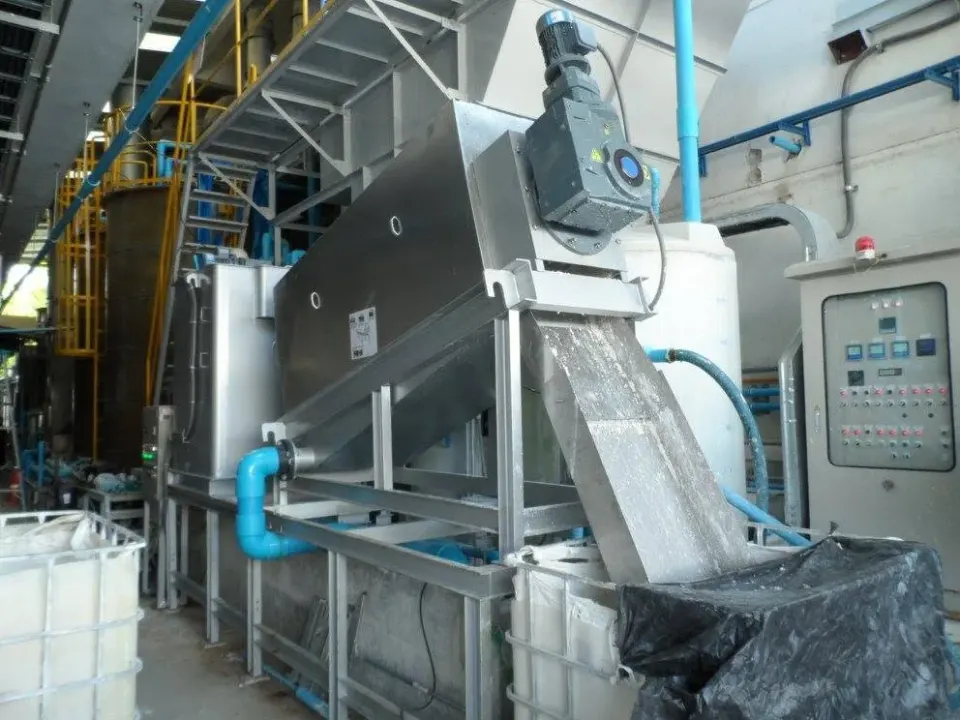
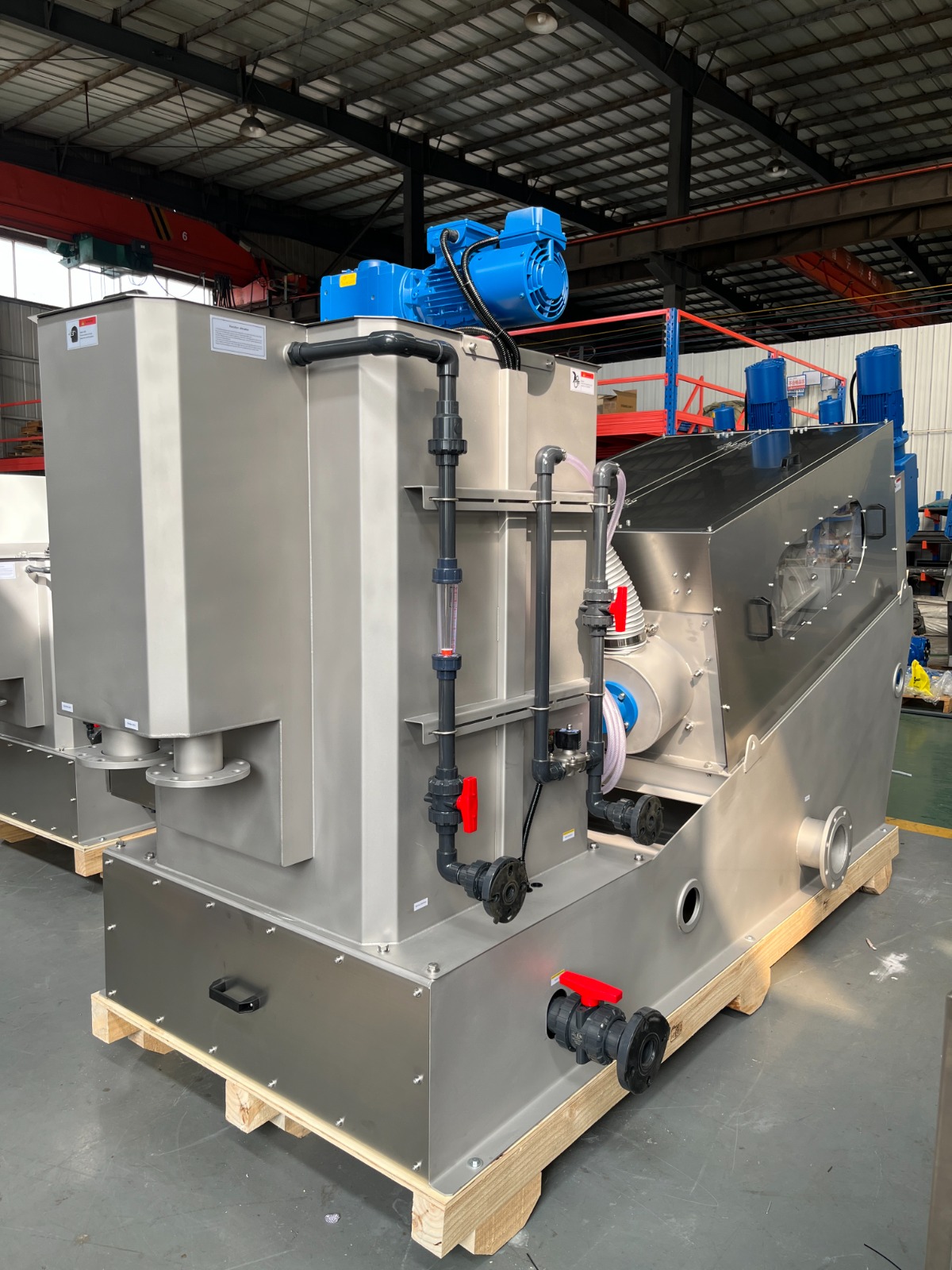
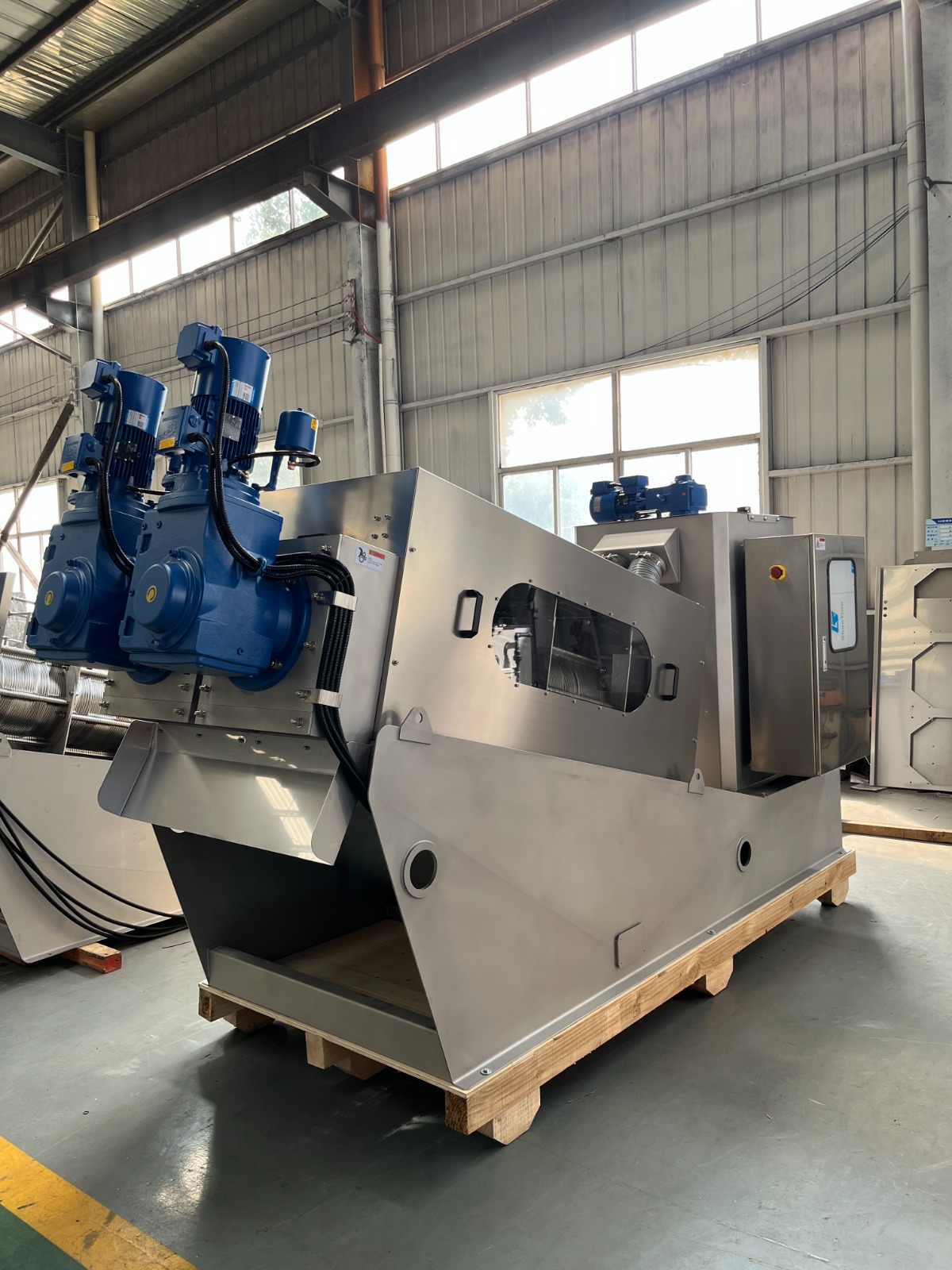
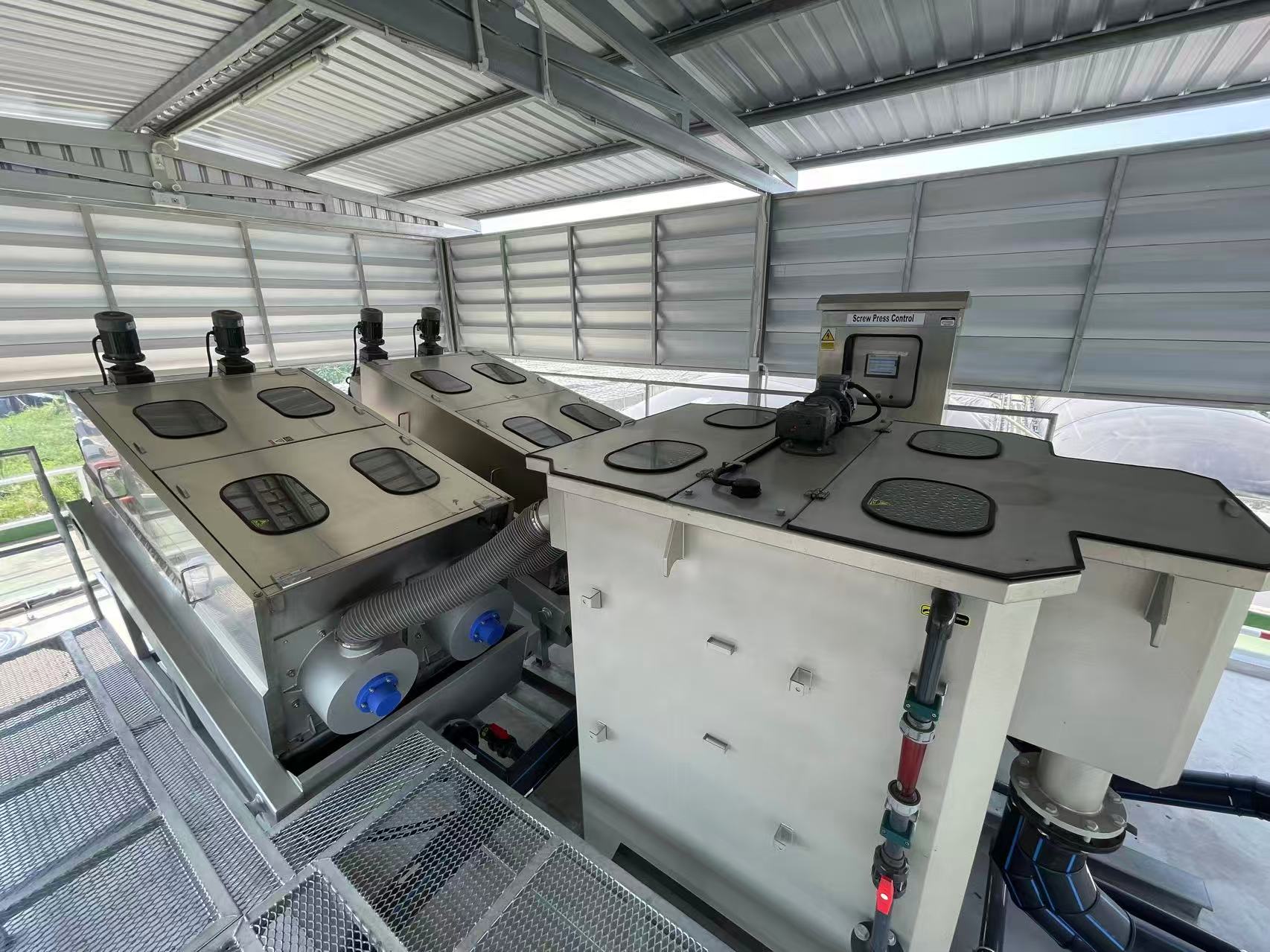
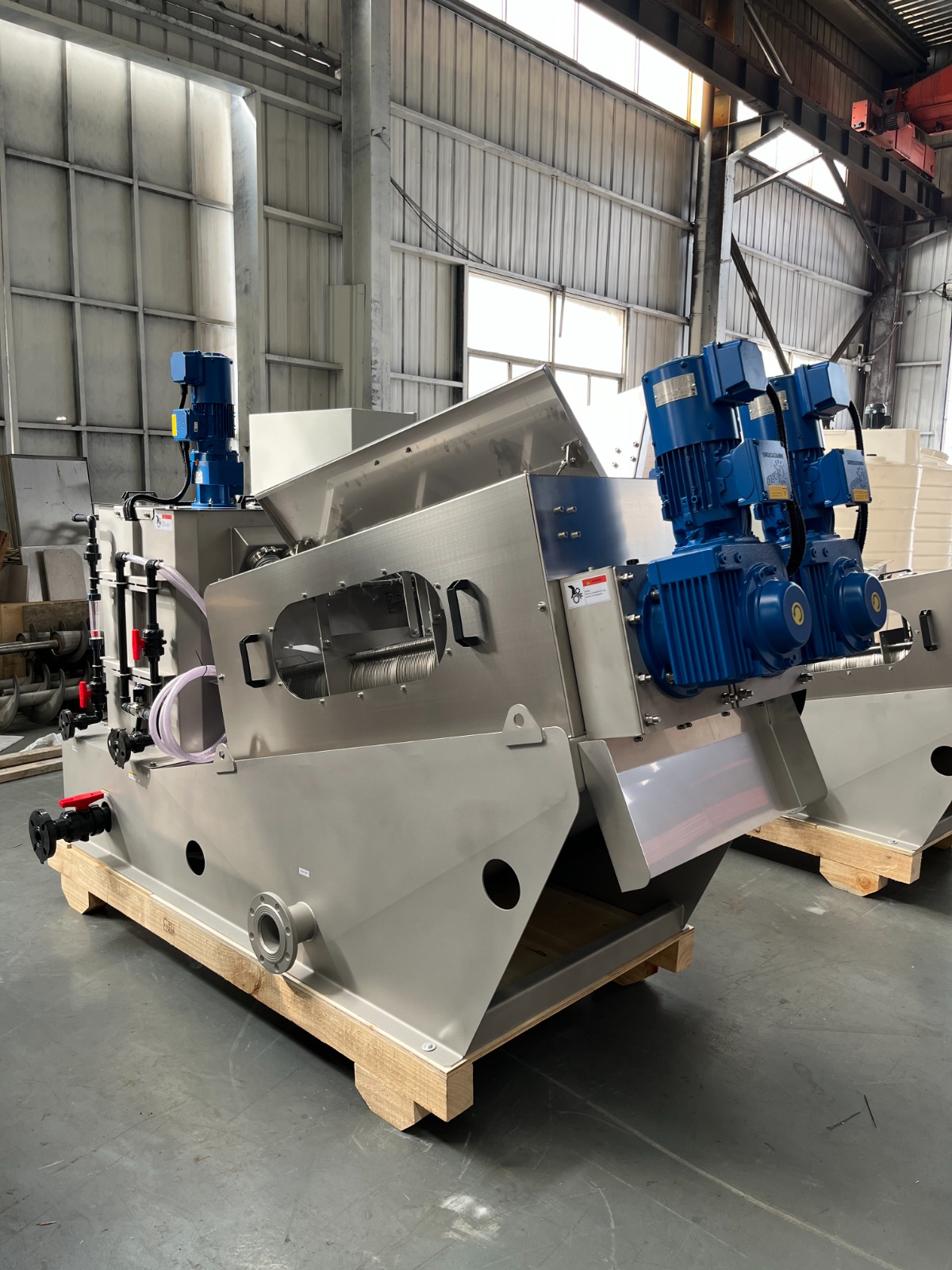
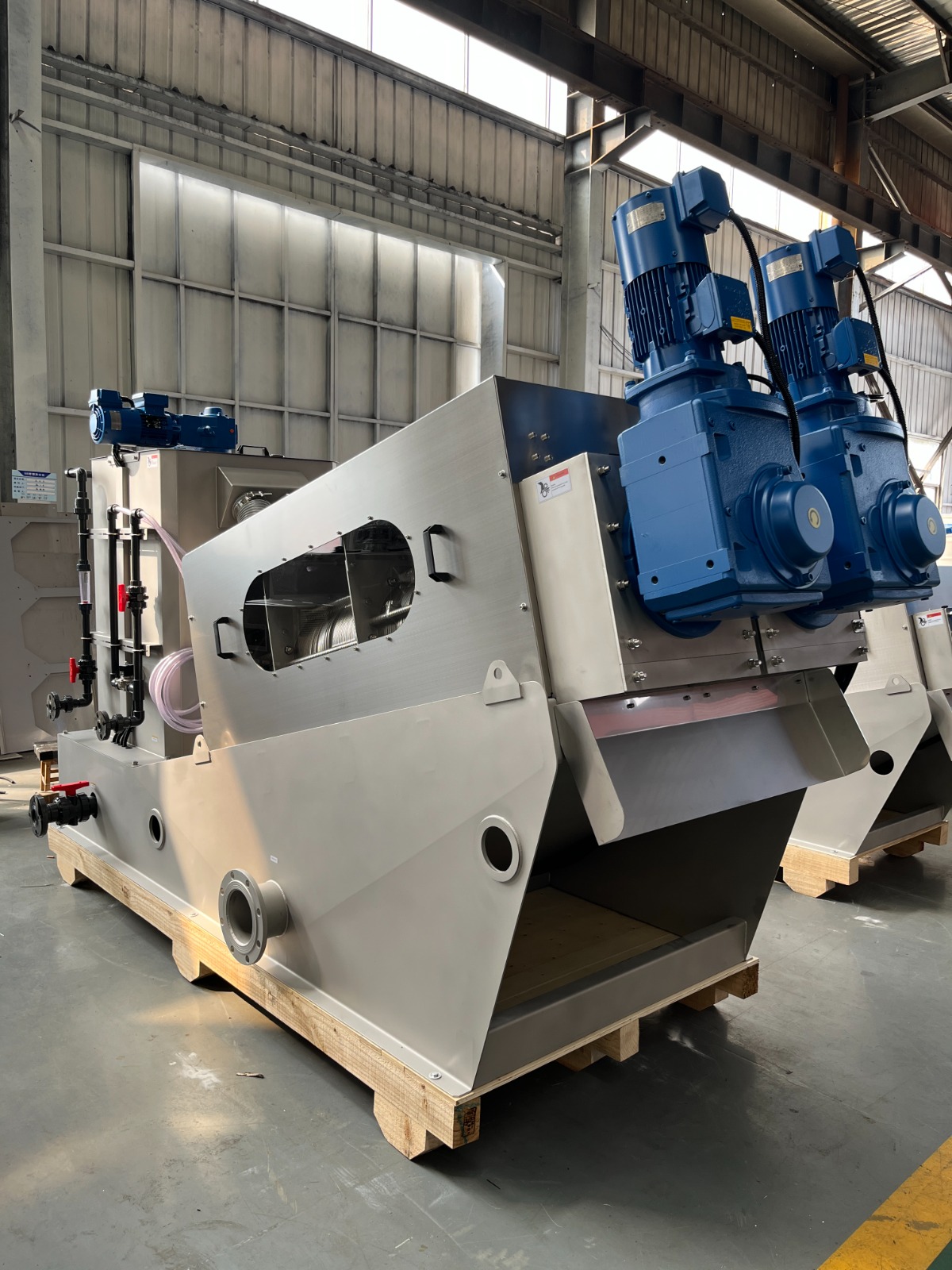
Screw Press (Volute Dewatering Press) is a sludge dewatering machine that separates solids and liquids by the mechanical pressing action of a screw and rings, without using heat. It consumes little energy, approximately 1–5 kW per unit, operates continuously 24 hours, runs quietly and does not clog easily. Suitable for dewatering biological sludge, chemical sludge and food waste.
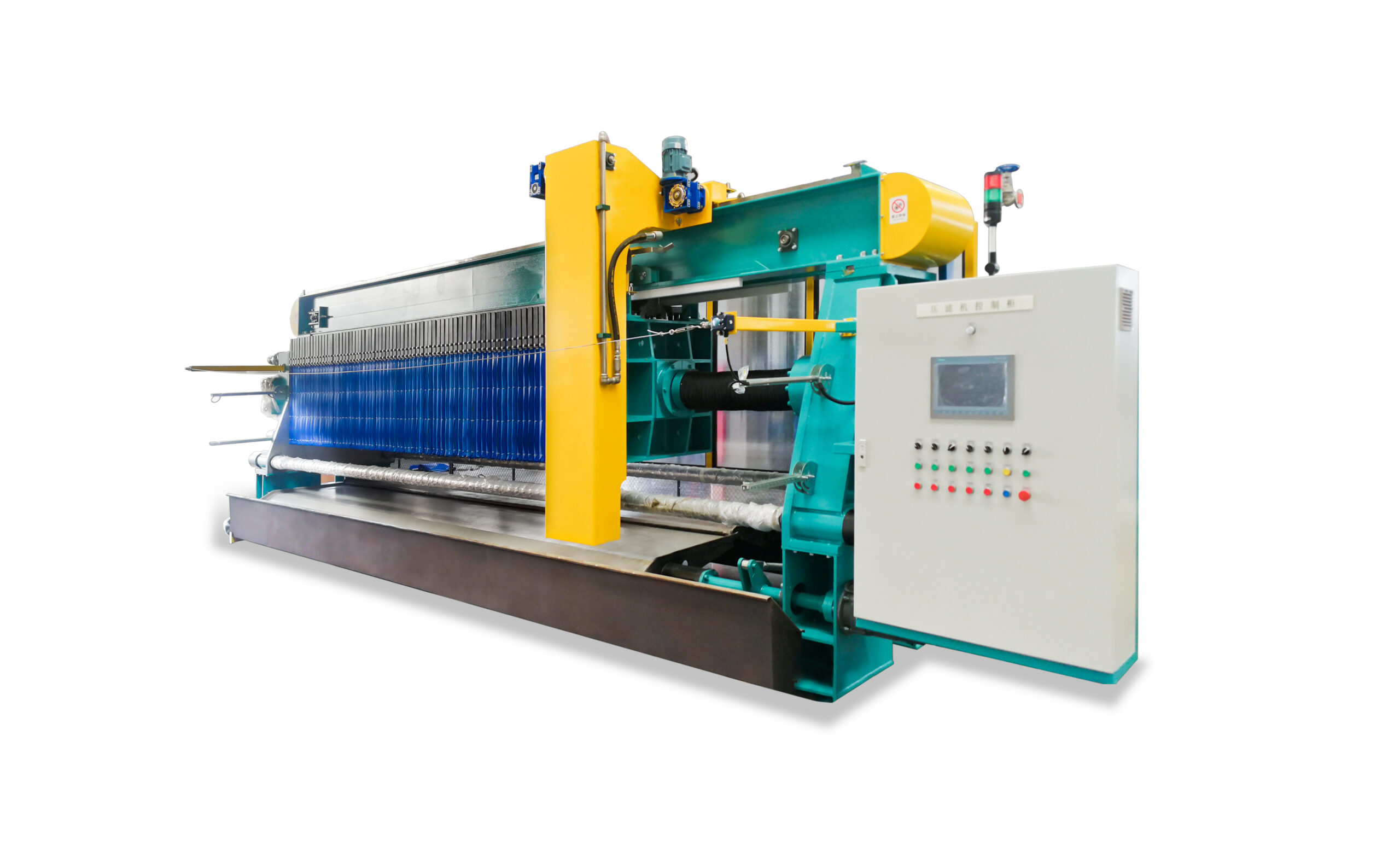
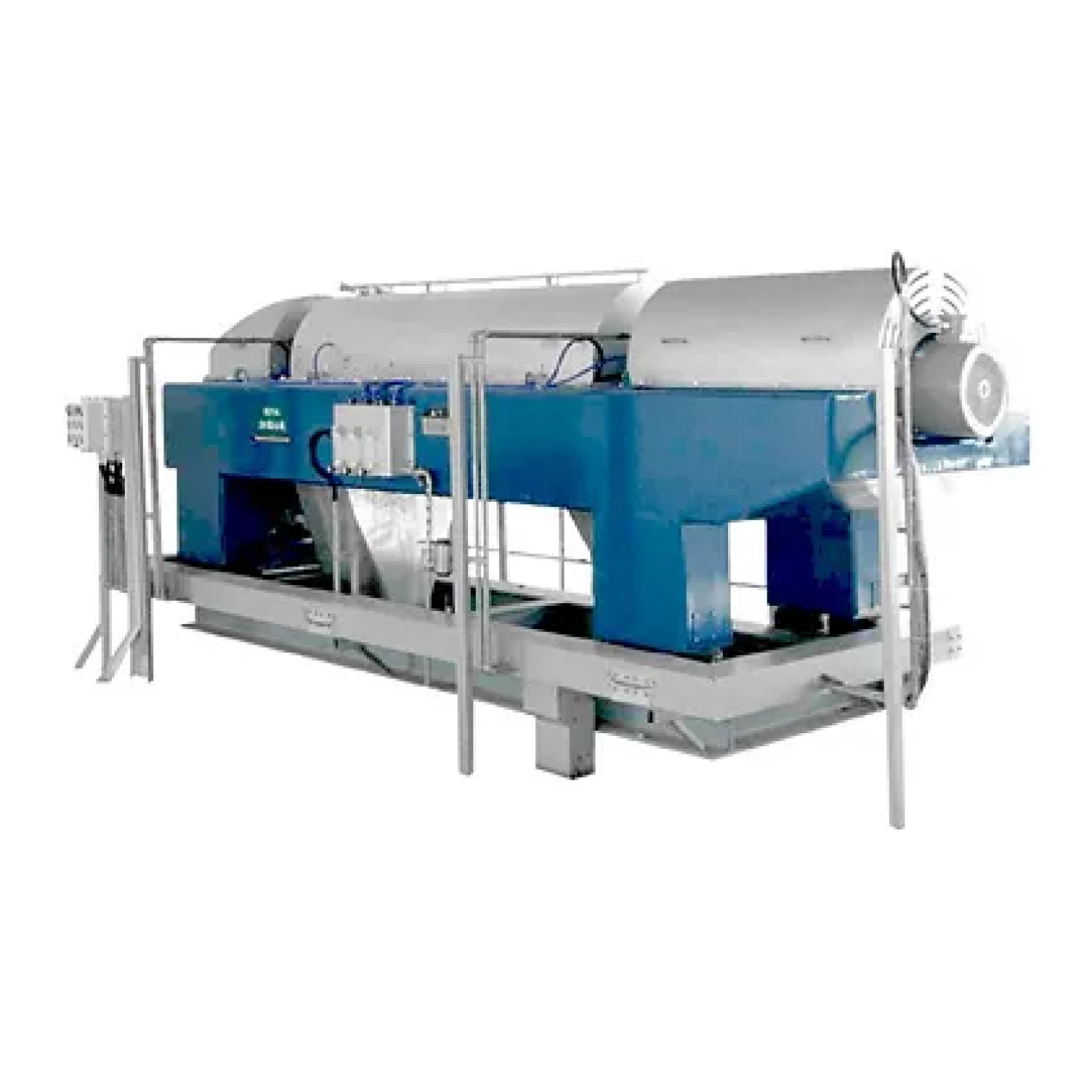
Key Features: Screw Press
  • Presses sludge by a mechanical action without using heat, consuming only about 1–5 kW
  • Produces a dry sludge cake of approximately 15–20% DS
  • Operates continuously without stopping the machine to remove sludge
  • Self-cleaning screw and ring assembly helps reduce clogging problems
  • Equipped with a mixing tank for chemicals and polymer to assist flocculation
  • Adjustable back pressure to control the dryness of the cake
  • Quiet operation and energy saving
Benefits: Screw Press
  • Saves electricity and wash water compared with a Decanter or Belt Press
  • Continuous automatic operation that is easy to maintain
  • Reduces the volume and weight of sludge for disposal
  • Handles a wide range of wastewater types
  • Cuts transport and waste disposal costs
Working Principle: Screw Press
  • 1. Sludge is fed into the flocculation tank, where polymer is dosed to form flocs.
  • 2. It enters the Dewatering zone, where gravity thickening increases concentration.
  • 3. It moves into the Pressing zone, where pressure rises through the screw and rings, squeezing out water.
  • 4. The dewatered cake is pushed out at the end of the machine, with back pressure controlling dryness.
Supported Industries
  • Biological and chemical wastewater treatment plants
  • Food and livestock industries
  • Farms and biogas plants
  • Paper — but not suitable for hard sludge or sludge with high fiber/grit content
Product Highlights
  • Very low energy consumption of about 1–2 kW, up to 90% more economical than a Decanter
  • Operates continuously and does not clog easily thanks to the self-cleaning system
  • Quiet operation, reducing noise in the working area
  • Simple structure, easy to maintain and lower maintenance costs